
Exterior paint durability depends on more than product choice alone. In Connecticut homes, long-term performance is often shaped by prep quality, moisture exposure, climate stress, surface condition, material type, and how well weak areas were corrected before exterior painting began.
Exterior Paint Durability Starts Before the Finish Coat
Many homeowners think paint durability is mostly about how good the paint itself is. Product quality matters, but long-term performance usually depends just as much on what happens before the coating is applied.
In Connecticut homes, durability is often affected by:
- the condition of the surfaces before painting
- how well the prep was handled
- whether moisture issues were already present
- how much weather exposure the home receives
- what type of siding or trim is being painted
- whether unstable areas were corrected or simply coated over
That is why two homes painted with similar products can still perform very differently over time.
Preparation Is One of the Biggest Durability Factors
Preparation is one of the clearest reasons exterior paint lasts longer on some homes than on others.
That may include:
- washing weathered surfaces properly
- scraping peeling areas
- sanding unstable edges
- correcting failed caulk
- cleaning chalky or dirty surfaces
- patching weak spots before coating begins
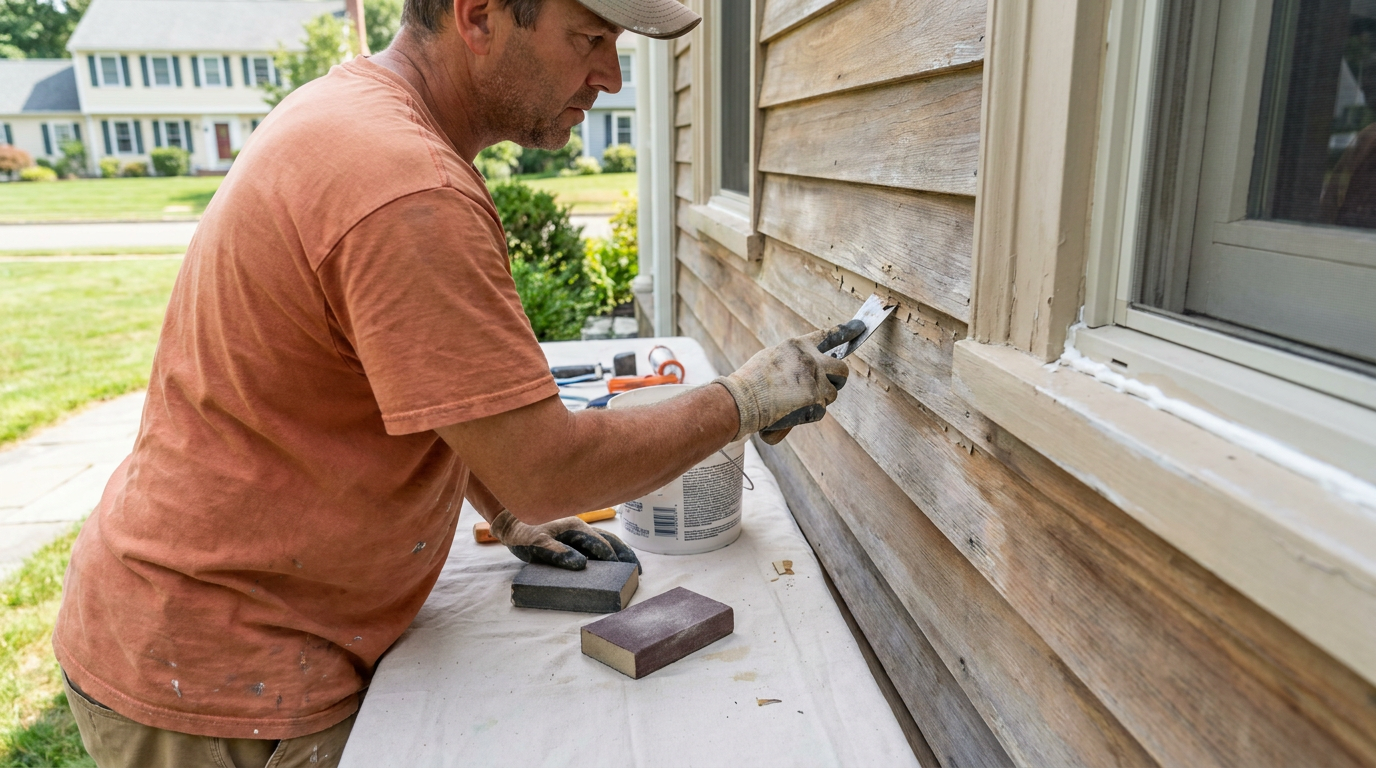
If the prep path is too light, the finish may still look acceptable at first, but the coating system may have less stability underneath.
A more durable exterior result usually starts with a cleaner, more stable surface.
Prep quality is one of the strongest predictors of paint durability. A clear process should review washing, scraping, sanding, spot priming, caulking, repair needs, application, and final inspection before the finish is judged by appearance alone.
Comparison Table — What Usually Affects Exterior Paint Durability Most
| Durability Factor | Why It Matters | What to Review |
| Prep Quality | Creates a more stable base for the coating system | Whether surfaces were cleaned, corrected, and stabilized properly |
| Moisture Exposure | Can weaken adhesion and shorten paint life | Whether dampness, slow drying, or vulnerable transitions are present |
| Weather Stress | Affects how different elevations wear over time | Whether sun, shade, wind, rain, or winter exposure vary across the home |
| Surface Condition | Shapes how well new paint can hold | Whether older coatings, weak edges, or repairs were already unstable |
| Material Type | Changes how the coating behaves on the surface | Whether wood, vinyl, stucco, or trim details are under different stress |
Moisture Shortens Exterior Paint Life Faster Than Many Homeowners Expect
Moisture is one of the most common reasons durability weakens earlier than expected.
That may happen through:
- recurring dampness around trim or joints
- slow-drying shaded areas
- water stress near vulnerable transitions
- homes that retain moisture longer after rain or winter conditions
- surfaces that were already beginning to soften, separate, or fail
When moisture affects the surface or the layers beneath it, the paint system may lose hold sooner, especially in areas that already had weaker prep or older coating instability.
Moisture can shorten the life of exterior paint even when the coating itself is high quality. Damp siding, trapped water, wet wood, failed drainage, and mildew-prone areas can all create moisture problems that ruin exterior paint if they are not addressed before repainting.
Weather Exposure Does Not Affect Every Part of the House Equally
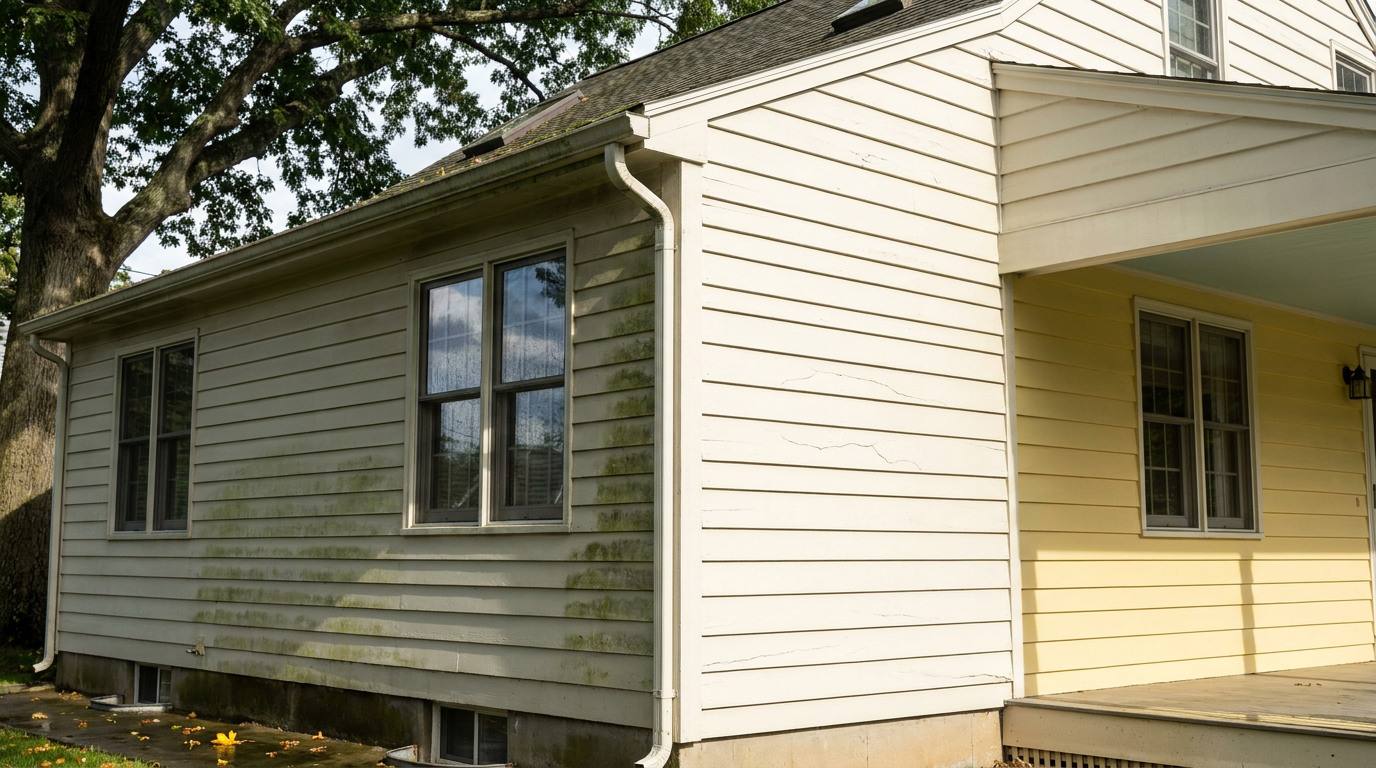
Connecticut homes do not age evenly across every side of the exterior.
Durability often changes based on:
- stronger sun exposure on one elevation
- slower drying on shaded sides
- wind-driven rain on more exposed areas
- seasonal freeze-thaw stress
- repeated winter wear
- heat buildup on certain surfaces during warmer months
This is why paint may still look stable on one side of the house while another section begins showing fading, edge wear, peeling, or earlier breakdown.
Connecticut weather changes how exterior coatings perform. Winter stress, summer sun, humidity, shaded areas, and local exposure all affect product choice. Homeowners comparing coatings may also want to review the best exterior paint for homes in New Haven County climate before repainting.
Shade and tree coverage can slow drying and create uneven exterior wear. Homes with wooded lots or shaded siding often need a more careful prep and product decision because shade, trees, and moisture exposure can change how exterior painting performs over time.
Surface Condition and Material Type Matter More Than People Think
Exterior durability is also shaped by what kind of surface is being painted and what condition that surface is in when the work begins.
Durability may change based on:
- older wood with wear or movement
- vinyl surfaces with different adhesion behavior
- stucco or textured areas under broader stress
- trim details that fail sooner than larger flat surfaces
- previously patched or repaired areas that need better stabilization
This is one reason a home cannot be judged only by square footage or broad appearance. A more realistic durability review looks at the actual materials and how they are holding up.
Different surfaces do not age or hold coatings the same way. Wood, vinyl, stucco, clapboard, cedar, trim, and siding can all change how surface type affects painting, especially when exposure and previous prep vary around the home.
Previous Coating Failure Can Reduce the Life of the Next Paint Job
Exterior paint does not always fail only because of current weather. Sometimes the problem starts with what the new project is being applied over.
Durability can be reduced when the previous paint system already had:
- peeling or lifting edges
- weak adhesion
- aging layers that were no longer stable
- repeated repainting without enough correction
- broader surface stress that was never fully addressed
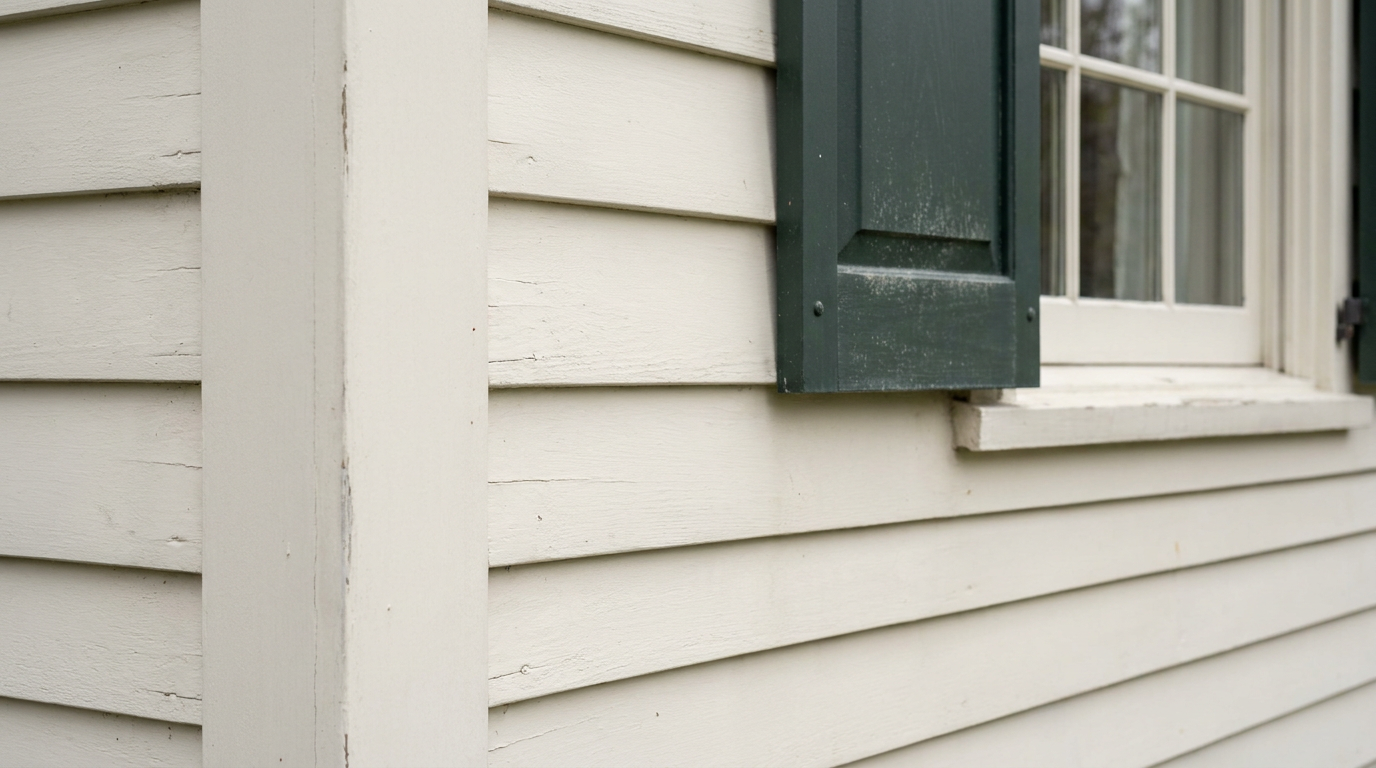
If those conditions are not corrected properly, the next paint job may inherit some of the same weaknesses.
Exterior paint can start losing durability before peeling becomes obvious. Failed caulk, open seams, gaps around trim, and water entry can all create early problems, which is why exterior caulk failure should be reviewed before repainting.
How Homeowners Should Think About Exterior Durability More Clearly
A better way to think about paint durability is not to expect one standard lifespan for every Connecticut home. It is more realistic to think about durability in terms of:
- prep quality
- moisture exposure
- weather stress
- material behavior
- surface stability
- how well earlier failures were corrected
That gives homeowners a better understanding of why some homes hold up longer and why others begin weakening sooner even if they were painted more recently.
Durability is really about how well the whole exterior system continues to perform, not just whether paint is still visible on the surface.
Durability factors eventually show up in the repaint cycle. Homeowners planning exterior work may also want to review how long exterior paint lasts in New Haven County before deciding whether the home needs a full repaint, targeted repair, or closer surface review.
For homes in New Haven County, exterior paint durability can vary by town, shade, moisture exposure, siding type, trim condition, winter wear, and how previous repaint cycles were handled.
Exterior Paint Durability FAQ
What affects exterior paint durability the most?
Prep quality, moisture exposure, surface condition, climate stress, and material type are usually some of the biggest durability factors.
Can moisture reduce paint life even if the finish looked good at first?
Yes. Moisture problems often show up later and can weaken adhesion or accelerate early failure in vulnerable areas.
Why does paint fail earlier on some parts of the house?
Different elevations experience different levels of sun, shade, rain, wind, and seasonal stress, so they do not wear at the same pace.
Does surface type really matter for durability?
Yes. Wood, vinyl, stucco, and trim details can all behave differently and affect how well the coating holds over time.
Can poor prep shorten the life of a good paint product?
Yes. Even a strong paint system depends on the surface being stable, clean, and properly prepared first.
Get a Clearer View of What Is Affecting Your Exterior Paint
If you are trying to understand why one home holds paint longer than another, the most useful next step is to look at the actual surfaces, exposure, prep history, and problem areas rather than relying on broad averages alone.
A better exterior review helps homeowners understand what is supporting durability, what is weakening it, and what the home may need before repainting can deliver a more stable result.
Alves Pro House Painters helps Connecticut homeowners in New Haven County with clearer exterior evaluations, organized prep expectations, and repaint planning built around real surface conditions instead of assumptions alone.
If you want your exterior paint to last longer, the next step is to review surface condition, moisture exposure, prep needs, product selection, and problem areas before repainting. You can request an exterior painting estimate based on the real durability factors affecting your home.
What Happens Next
- We confirm your location and project type
- We review the exterior surfaces and current wear
- We identify likely durability and prep factors
- We prepare a written estimate based on real conditions
Prep affects durability • Moisture weakens paint life • Surface condition matters