
Shade, Trees, and Moisture Exposure Change Exterior Painting by increasing dampness, slowing surface drying, and changing how well prep, adhesion, and long-term durability hold across the home before exterior painting begins.
Exterior Painting Results Change When Exposure Conditions Change
Many homeowners think repainting results depend mostly on product choice and visible prep. Those factors matter, but exterior painting also performs differently depending on how the home handles shade, trees, and moisture over time.
That often changes:
- how fast surfaces dry
- how long dampness stays on the exterior
- where coatings weaken first
- how evenly the house ages
- which elevations carry more stress
- how long the finish continues to hold cleanly
This is one reason two homes in the same area can still get very different long-term painting results.
Shade Usually Slows Drying and Increases Surface Stress
Shaded sections of a home often behave differently than sunnier sides.
That may lead to:
- slower drying after rain
- more lingering moisture on trim and siding
- weaker performance in already vulnerable areas
- more stress on edges and transitions
- surfaces that stay cooler and damp longer through the day
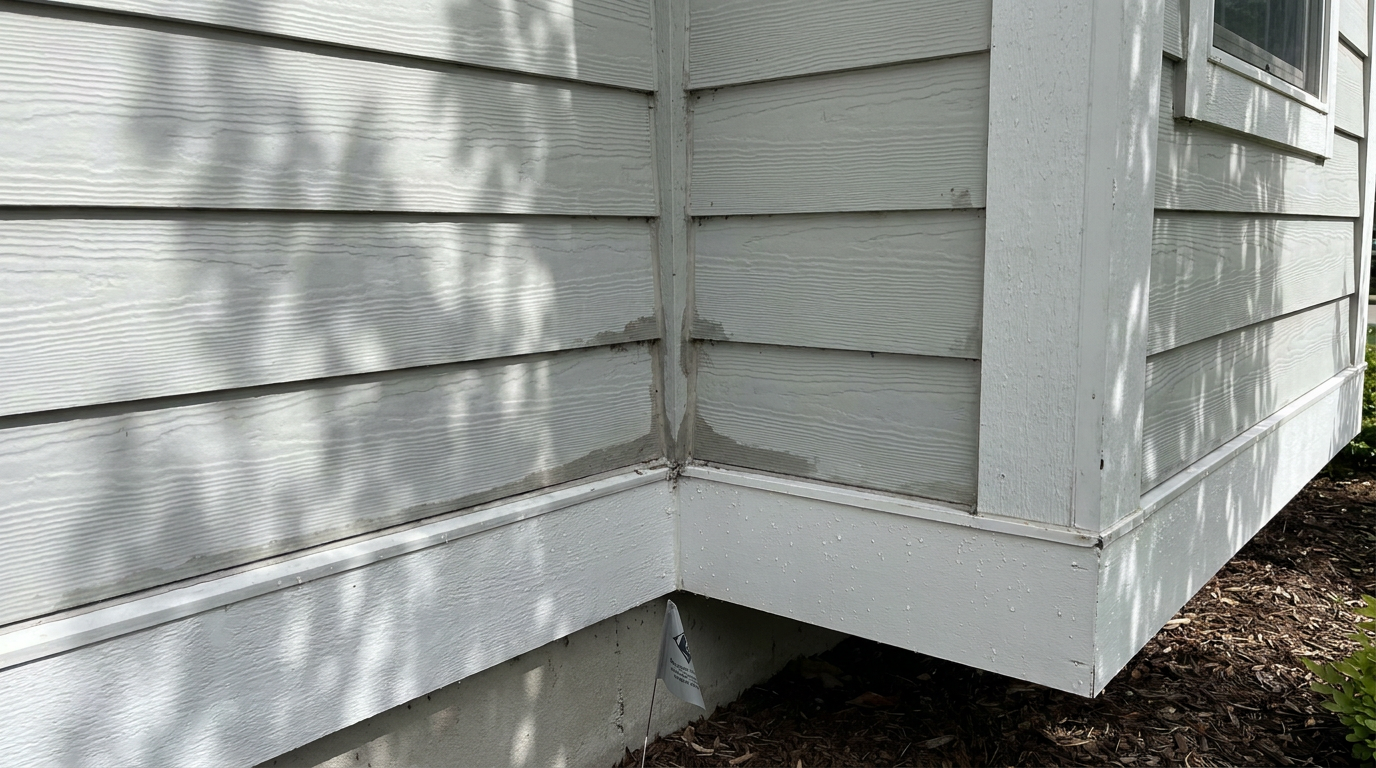
When those sections are already carrying wear, shade can make earlier weakness more noticeable over time.
When shaded areas stay damp longer, paint can fail faster even if the product is good. That is why homeowners should understand the moisture problems that ruin exterior paint before repainting shaded siding, trim, fascia, or wood details.
Comparison Table — How Exposure Conditions Change Exterior Painting
| Exposure Factor | Why It Matters | What to Review |
| Shade | Slows drying and increases dampness | Whether certain elevations stay cooler, wetter, and under stress longer |
| Tree Coverage | Changes airflow and surface conditions | Whether debris, denser shade, or slower drying are affecting the home |
| Moisture Exposure | Can shorten durability and shift where failure begins | Whether joints, lower sections, or transitions are staying damp longer |
| Prep Standards | Need to reflect real exposure conditions | Whether washing, correction, and review depth are broad enough for the site |
| Elevation Pattern | Different sides of the house age differently | Whether one side is weakening much earlier than the others |
Trees Can Affect Exterior Surfaces More Than Homeowners Expect
Trees do more than create shade. They can also change how the home holds moisture and weather stress.
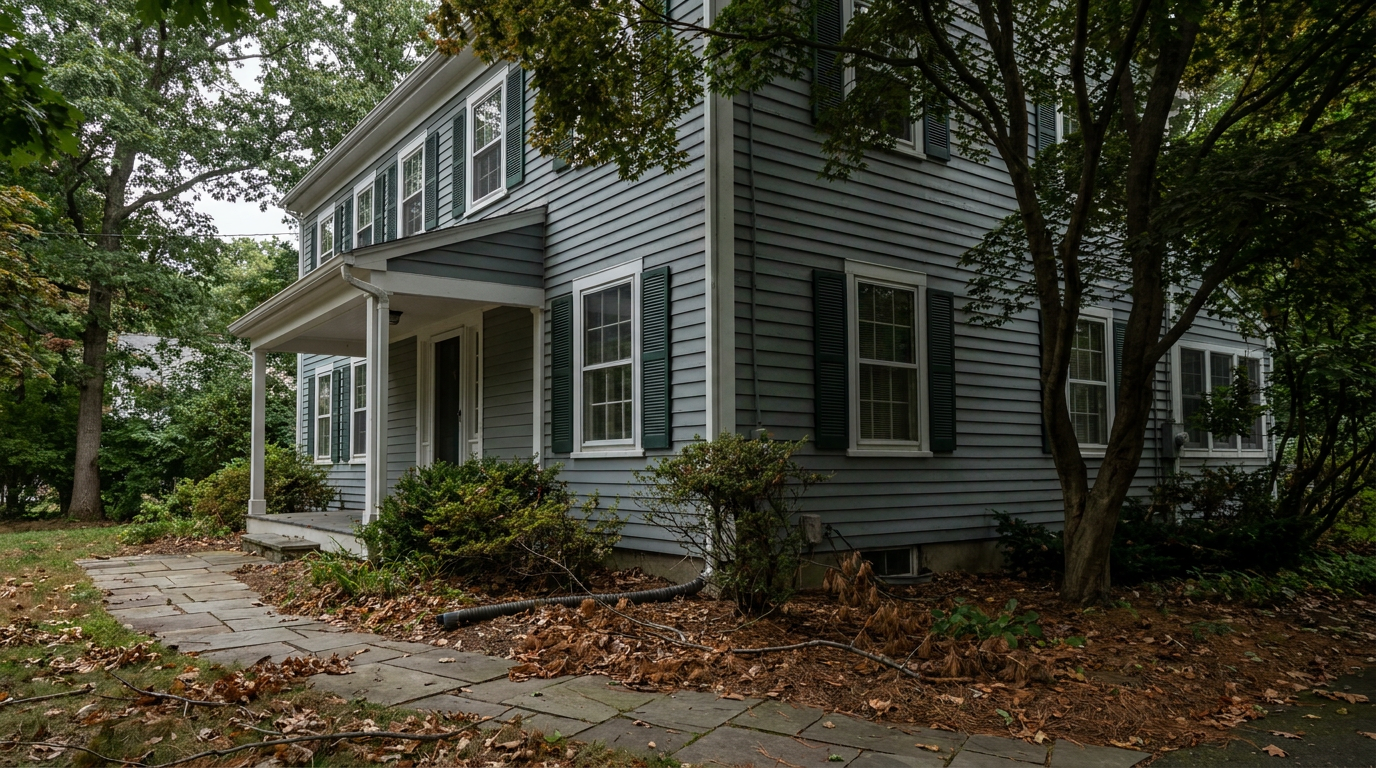
That may happen through:
- denser shade coverage
- slower airflow around the house
- more debris collecting on surfaces
- longer damp periods after weather exposure
- repeated stress in trim, fascia, and detail areas
This does not mean trees are automatically a problem. It means homes with heavier tree coverage often need a more exposure-aware prep and repaint plan.
Tree coverage can leave organic buildup, mildew, dirt, and residue on exterior surfaces. In many cases, house power washing helps prepare siding, trim, decks, fences, and other surfaces before paint or stain is applied.
Moisture Exposure Often Changes Where Paint Fails First
When moisture stays active around the home, the paint system usually does not fail evenly.
Homeowners may notice earlier weakness in:
- lower sections of the exterior
- trim details and joints
- shaded sides of the house
- transitions where water tends to linger
- areas already weakened by earlier coating failure
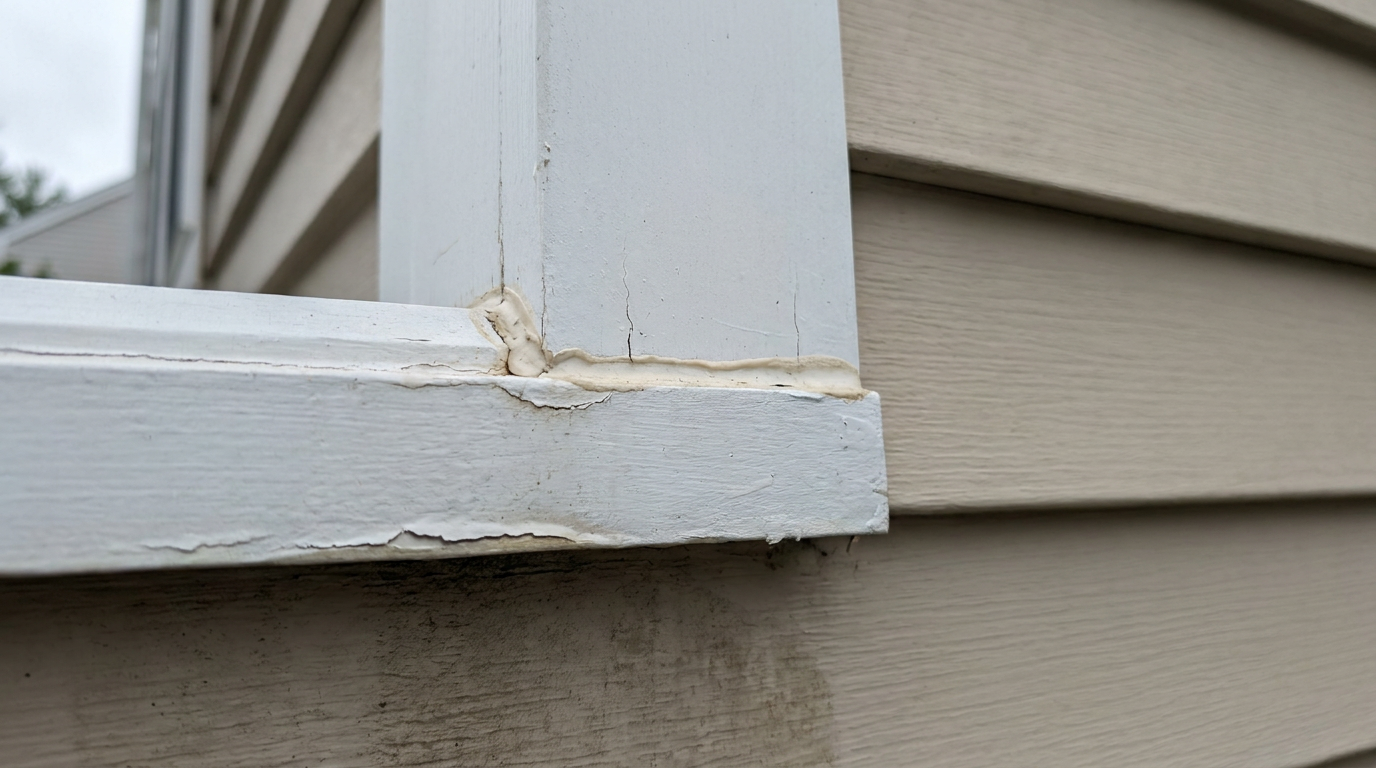
That is why one elevation may begin peeling, fading, or softening sooner while other areas still appear relatively stable.
Shade and moisture are only part of the durability picture. Surface type, sun exposure, winter stress, prep quality, and product selection also affect what affects exterior paint durability in Connecticut homes.
Exposure Conditions Affect Prep Standards Too
Shade, tree coverage, and moisture do not only affect how paint ages. They also affect how the home should be prepared before repainting begins.
That may change the need for:
- broader washing
- more careful review of damp-prone areas
- deeper prep on weaker trim sections
- closer inspection of edges and transitions
- stronger correction before finish coats go on
This is one reason exposure conditions should be part of the estimate and prep conversation, not something noticed only after failure starts showing.
Shaded and moisture-prone surfaces should be reviewed before repainting so the prep path matches the actual condition of the home. A clearer process helps identify washing needs, loose paint, failed caulk, soft wood, primer requirements, and finish timing before final coats begin.
Some Homes Need a More Exposure-Aware Repaint Plan
A straightforward repaint may be enough on homes with cleaner exposure and more even aging. On homes with heavier shade, tree cover, and dampness, the repaint plan may need more care.
That may include:
- more detailed prep review
- broader moisture awareness
- closer attention to trim and fascia
- more realistic durability expectations by elevation
- stronger focus on where the house is aging first
This does not mean every shaded home needs major correction. It means exposure conditions should shape the repaint plan more directly.
Across New Haven County, wooded lots, shaded sides of the home, tree coverage, and moisture-prone areas can all change how exterior painting should be planned.
How Homeowners Should Think About Exterior Exposure More Clearly
A better question is not only “does this home need paint?” It is:
- where does the house stay damp longest
- how much shade is affecting drying
- which areas are under more tree-related exposure
- where is moisture causing earlier stress
- how should prep and repaint planning respond to that exposure
That gives homeowners a much clearer way to understand why some homes need a more exposure-aware painting strategy before expecting better long-term results.
Shade, Trees, and Moisture Exposure Change Exterior Painting FAQ
How do shade and trees affect exterior painting?
They often slow drying, increase dampness, and create more stress in vulnerable areas of the home.
Can moisture exposure shorten paint life?
Yes. Lingering moisture is one of the biggest reasons paint weakens sooner than expected.
Why does one side of the house age faster?
Different elevations get different combinations of shade, airflow, dampness, and weather exposure, so they rarely wear evenly.
Do shaded homes always need more prep?
Not always, but homes with heavier shade and moisture exposure often need a more careful prep review.
Should exposure conditions affect the estimate too?
Yes. Exposure changes prep needs, durability expectations, and sometimes the full scope of exterior work.
Start With a Clearer Exterior Exposure Review
If your home deals with heavier shade, tree coverage, or lingering moisture, the most useful next step is to review how those conditions are affecting surface stability before assuming the project is just a standard repaint.
A better exposure review helps homeowners understand where the home is aging faster, what prep needs may be broader, and what should be corrected before repainting begins for a cleaner and more durable result.
Alves Pro House Painters helps Connecticut homeowners with clearer exterior evaluations, organized prep expectations, and repaint planning built around real exposure conditions instead of one-size-fits-all assumptions.
If your home has shaded siding, tree coverage, mildew, moisture-prone areas, or uneven paint wear, the next step is to review the exterior conditions before repainting. You can request an exterior painting estimate based on the actual exposure and surface conditions.
What Happens Next
- We confirm your location and project type
- We review the exterior surfaces and exposure pattern
- We identify likely moisture and prep-related factors
- We prepare a written estimate based on real conditions
Shade changes drying • Trees increase surface stress • Moisture affects durability