
Exterior paint often fails sooner when moisture keeps affecting the surface beneath it. What looks like a paint problem from the outside is often tied to dampness, slow drying, weak transitions, older instability, or surfaces that were never fully corrected before exterior painting began.
Moisture Often Damages Paint From Below the Surface
Many homeowners think exterior paint fails only because of age or weather exposure. In reality, moisture is often one of the biggest reasons a paint system weakens earlier than expected.
Moisture-related failure may start when:
- surfaces stay damp too long
- water works into joints, edges, or transitions
- shaded sections dry slowly
- trim or siding has already begun to weaken
- earlier paint layers were no longer stable
- repainting was done before the surface was fully ready
In those cases, the paint may be the part that becomes visible first, even though the deeper problem is moisture stress affecting the surface underneath.
Why Moisture Causes Exterior Paint to Fail
Exterior paint needs a stable surface to hold properly over time. When moisture keeps affecting that surface, the coating system can begin to lose its strength.
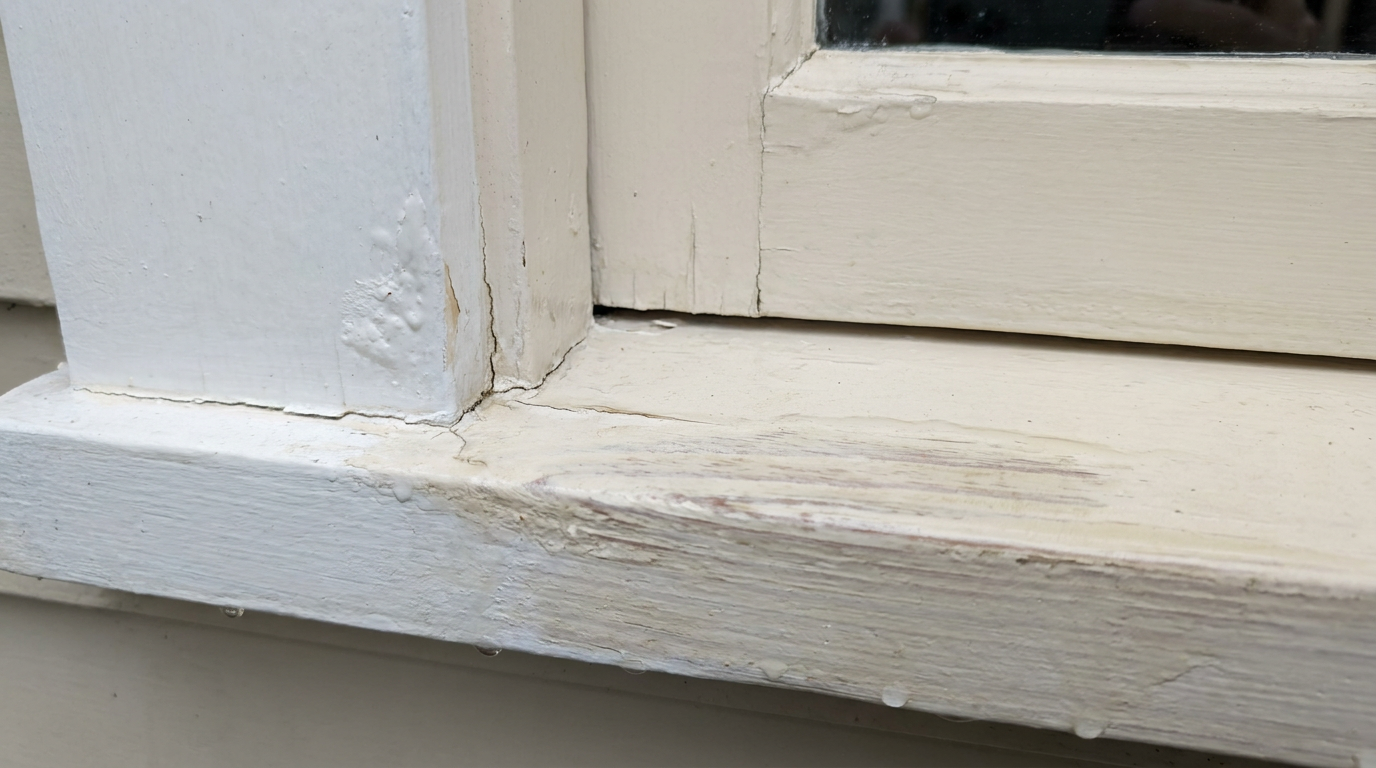
That may lead to:
- peeling
- bubbling
- blistering
- edge failure
- cracking around vulnerable areas
- earlier breakdown in trim, joints, or exposed sections
Moisture does not always create instant failure. Often it weakens the system gradually until the paint begins showing visible problems.
Moisture is one of the main reasons exterior paint fails earlier than expected. It also connects with broader factors that affect what affects exterior paint durability in Connecticut homes, including surface type, prep quality, shade, sun, winter stress, and product selection.
Comparison Table — How Moisture Usually Shows Up in Exterior Paint Failure
| Moisture Factor | Why It Matters | What to Review |
| Slow Drying Areas | Stay under moisture stress longer | Whether shaded or damp sections hold moisture too long |
| Weak Transitions | Create vulnerable failure points | Whether joints, edges, or trim details are breaking down first |
| Older Coatings | May already be unstable before repainting | Whether previous paint layers were still holding properly |
| Prep Quality | Affects how well the system can resist moisture stress | Whether unstable areas were fully corrected before repainting |
| Seasonal Exposure | Makes moisture-related issues more visible over time | Whether wet-dry cycles or freeze-thaw stress are affecting the surface |
Some Areas of the Home Hold Moisture Longer Than Others
Moisture problems rarely affect the whole exterior evenly. They usually show up first in areas where drying is slower or where surfaces are already more vulnerable.
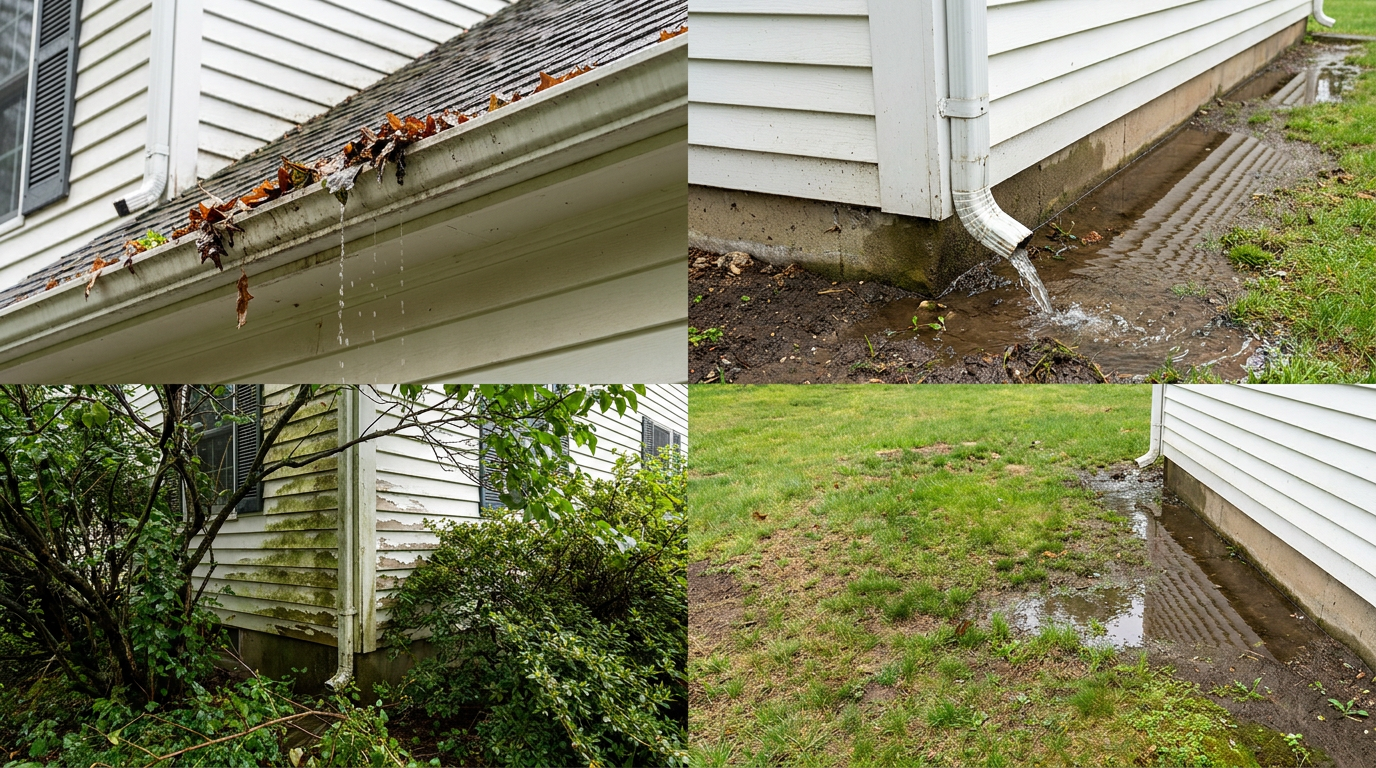
That often includes:
- shaded sides of the home
- lower sections near heavier dampness
- trim details and transitions
- joints and edges
- areas around older surface movement
- sections where the previous coating was already weakening
This is why one part of a home may begin failing much earlier while the rest of the exterior still looks relatively stable.
Moisture problems are often worse where shaded siding, tree coverage, and slow drying conditions are present. That is why shade, trees, and moisture exposure can change how exterior painting should be prepared and scheduled.
For homes in New Haven County, moisture problems can vary by shade, drainage, siding type, coastal exposure, wooded lots, trim condition, and how previous repaint cycles were handled.
Moisture Problems Are Often Worse After Weak Preparation
Preparation still plays a major role in how moisture affects paint life.
If the earlier project involved:
- limited cleaning
- too little scraping or sanding
- painting over unstable coatings
- weak edge correction
- incomplete caulk repair
- repainting before vulnerable areas were stabilized
then moisture can do more damage over time because the system already had weaker points from the beginning.
A better prep path does not eliminate every environmental challenge, but it does reduce the chance that moisture-related failure starts too early.
Moisture-related paint failure should be reviewed before repainting. A clearer process helps identify washing needs, loose paint, failed caulk, soft wood, repair concerns, primer requirements, and finish timing before new coats are applied.
Open seams, cracked joints, and failing caulk can allow water to move behind trim, siding, and painted edges. In many cases, exterior caulk failure starts creating problems before the paint looks fully broken down.
Winter and Seasonal Weather Often Make Moisture Problems More Visible
Connecticut weather often makes moisture-related paint issues more obvious after the home has gone through seasonal stress.
That may include:
- repeated wet-dry cycles
- slower drying during colder periods
- freeze-thaw movement
- dampness that lingers after snow, rain, or heavy weather
- stress building up on vulnerable elevations over time
This is one reason many homeowners notice peeling, bubbling, or paint breakdown after winter rather than in the middle of a more stable season.
When water gets behind paint or stays trapped in exterior materials, peeling can become more visible after seasonal movement and cold weather. Homeowners seeing this pattern may also want to understand why paint peels after winter in Connecticut before repainting.
Different Surface Types Can React Differently to Moisture
Surface type affects how moisture pressure shows up and how quickly paint problems become visible.
For example:
- wood may absorb and release moisture differently
- vinyl may create a different stress pattern when surfaces expand and contract
- stucco or textured materials may hold moisture and weather pressure differently
- trim details often show moisture-related failure sooner than broader flat areas
That is why moisture should always be evaluated in the context of the actual material, not just the visible paint damage alone.
Moisture-prone areas often collect mildew, algae, dirt, and organic buildup. When the surface needs cleaning before paint or stain, house power washing can help prepare siding, trim, decks, fences, and other exterior surfaces before the finish stage.
How Homeowners Should Think About Moisture Problems More Clearly
When exterior paint starts failing, the question should not only be “what paint was used?” A more useful review looks at:
- where moisture is affecting the home
- how long those areas stay damp
- whether earlier coatings were already unstable
- what prep was done before repainting
- which materials or elevations are under the most stress
That helps explain whether the visible failure is isolated or whether the home needs a broader correction path before repainting can hold more reliably.
Moisture and Exterior Paint FAQ
Can moisture really ruin exterior paint?
Yes. Moisture is one of the most common reasons paint loses adhesion, breaks down early, or begins peeling and bubbling in vulnerable areas.
Why do damp areas fail faster?
Because surfaces that stay wet longer often place more stress on the paint system and make it harder for the coating to remain stable over time.
Can weak prep make moisture problems worse?
Yes. If unstable surfaces were not corrected properly before repainting, moisture can exploit those weak areas faster.
Does moisture affect every exterior surface the same way?
No. Different materials and elevations react differently depending on drying speed, exposure, and existing surface condition.
Should moisture issues be reviewed before repainting again?
Yes. If the moisture source or vulnerable condition is not understood first, the next paint job may inherit the same problem.
Get a Clearer Exterior Review Before Repainting Over Moisture Damage
If you are seeing bubbling, peeling, or other early signs of exterior paint failure, the most useful next step is to understand whether moisture is part of the reason the surface is weakening.
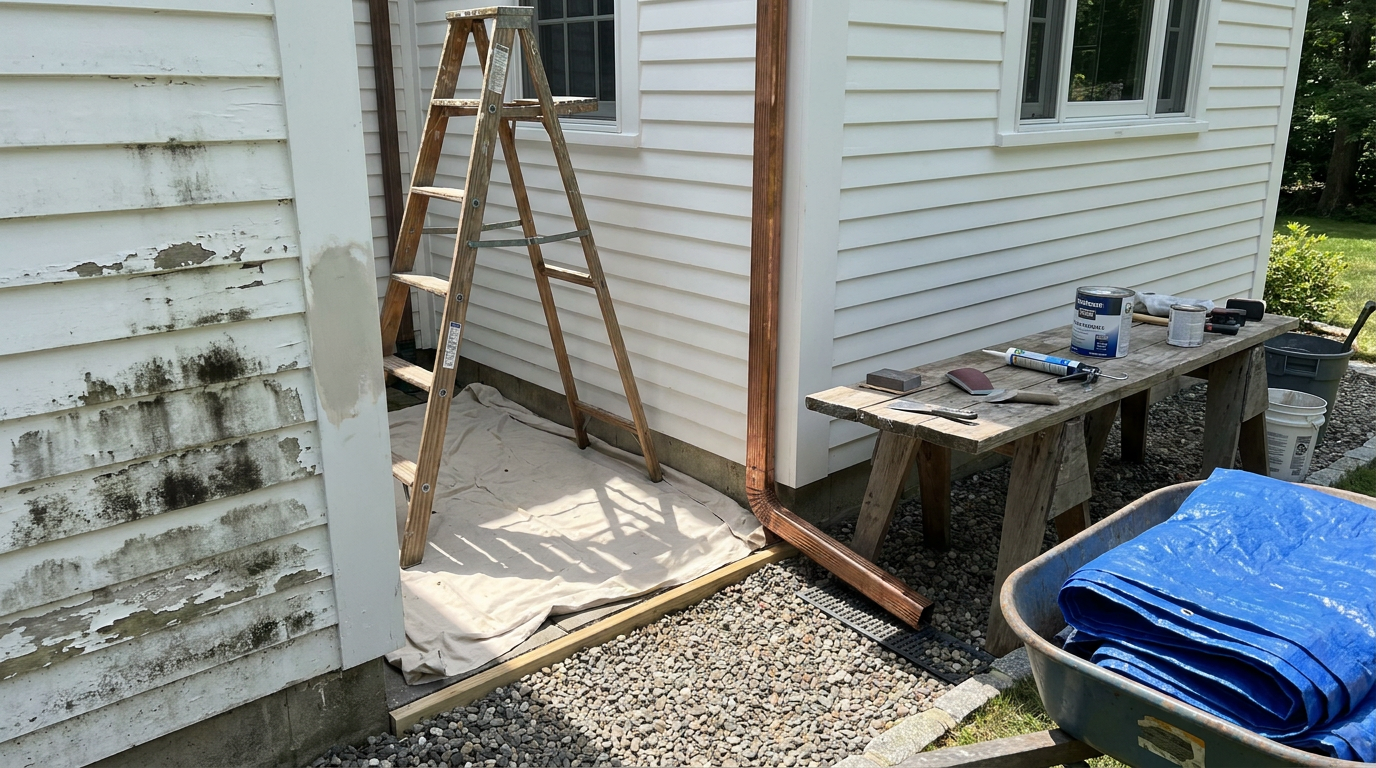
A better exterior review helps homeowners see where dampness, weak prep, unstable earlier coatings, or surface stress may be shortening paint life and what needs to be corrected before repainting can deliver a more stable result.
Alves Pro House Painters helps New Haven County homeowners with clearer exterior evaluations, organized prep expectations, and repaint planning built around real surface conditions instead of surface-level assumptions alone.
If your home has peeling paint, damp siding, mildew, failed caulk, soft wood, or moisture-prone exterior areas, the next step is to review the surface condition before repainting. You can request an exterior painting estimate based on the actual moisture, prep, and surface conditions.
What Happens Next
- We confirm your location and project type
- We review the exterior surfaces and visible problem areas
- We identify likely moisture and prep-related factors
- We prepare a written estimate based on real conditions
Moisture weakens paint life • Damp areas fail faster • Prep still matters