
A house painting project timeline depends on more than square footage alone. In New Haven County, the schedule is usually shaped by scope, preparation needs, surface condition, access, weather for exterior work, and how detailed the finished result needs to be.
Painting Timelines Depend on the Real Scope of the Project
Many homeowners want to know how long the project will take before the full scope is clearly defined. That is understandable, but painting timelines become more accurate only when the actual work is understood first.
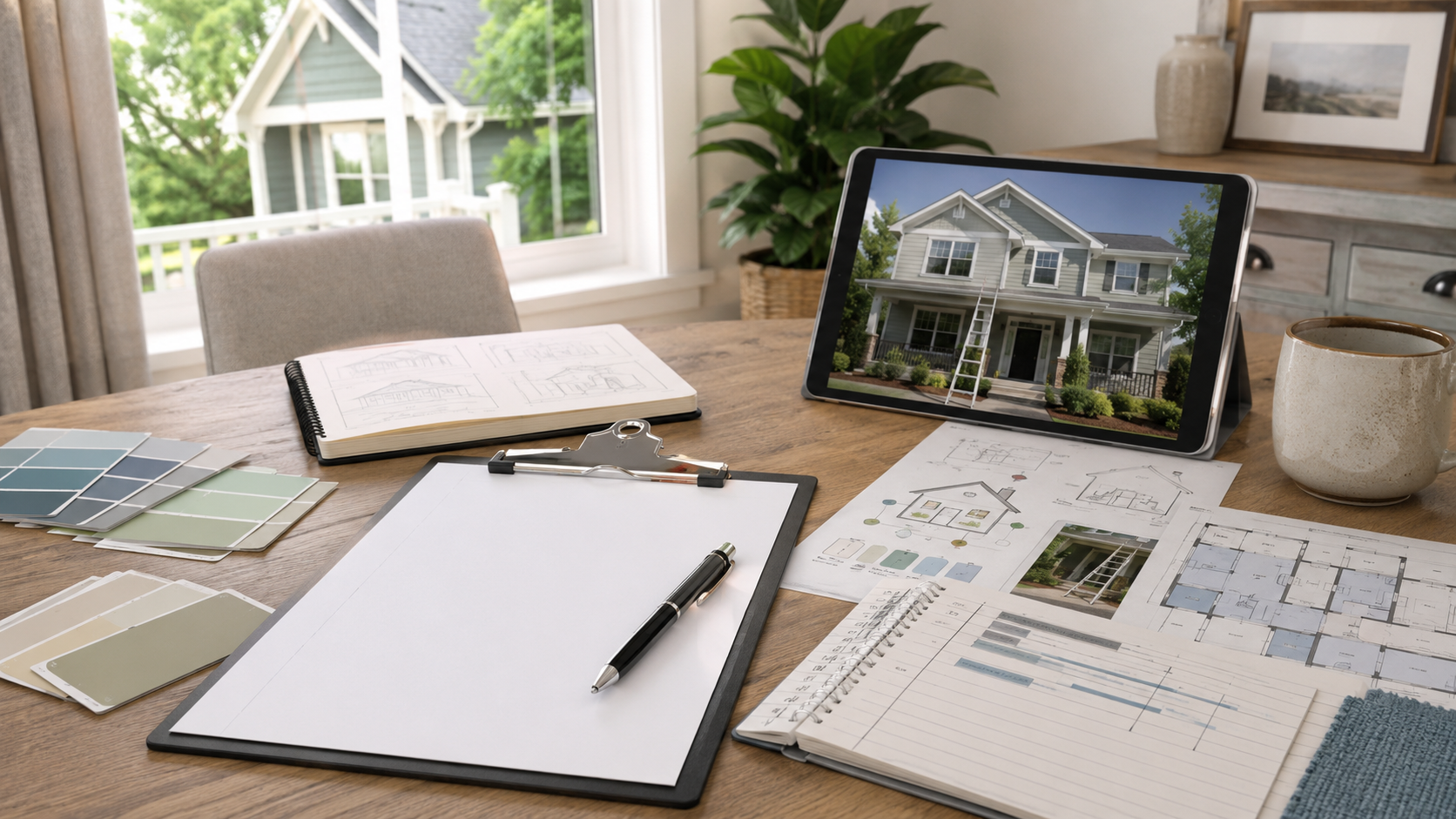
A house painting project may move faster or slower depending on:
- whether the work is interior, exterior, or both
- how many surfaces are included
- how much preparation is needed
- whether repairs or corrections are part of the scope
- how detailed the trim and finish work need to be
- how easy or difficult access is throughout the project
That is why two homes of similar size may still have very different timelines.
Preparation Is One of the Biggest Timeline Factors
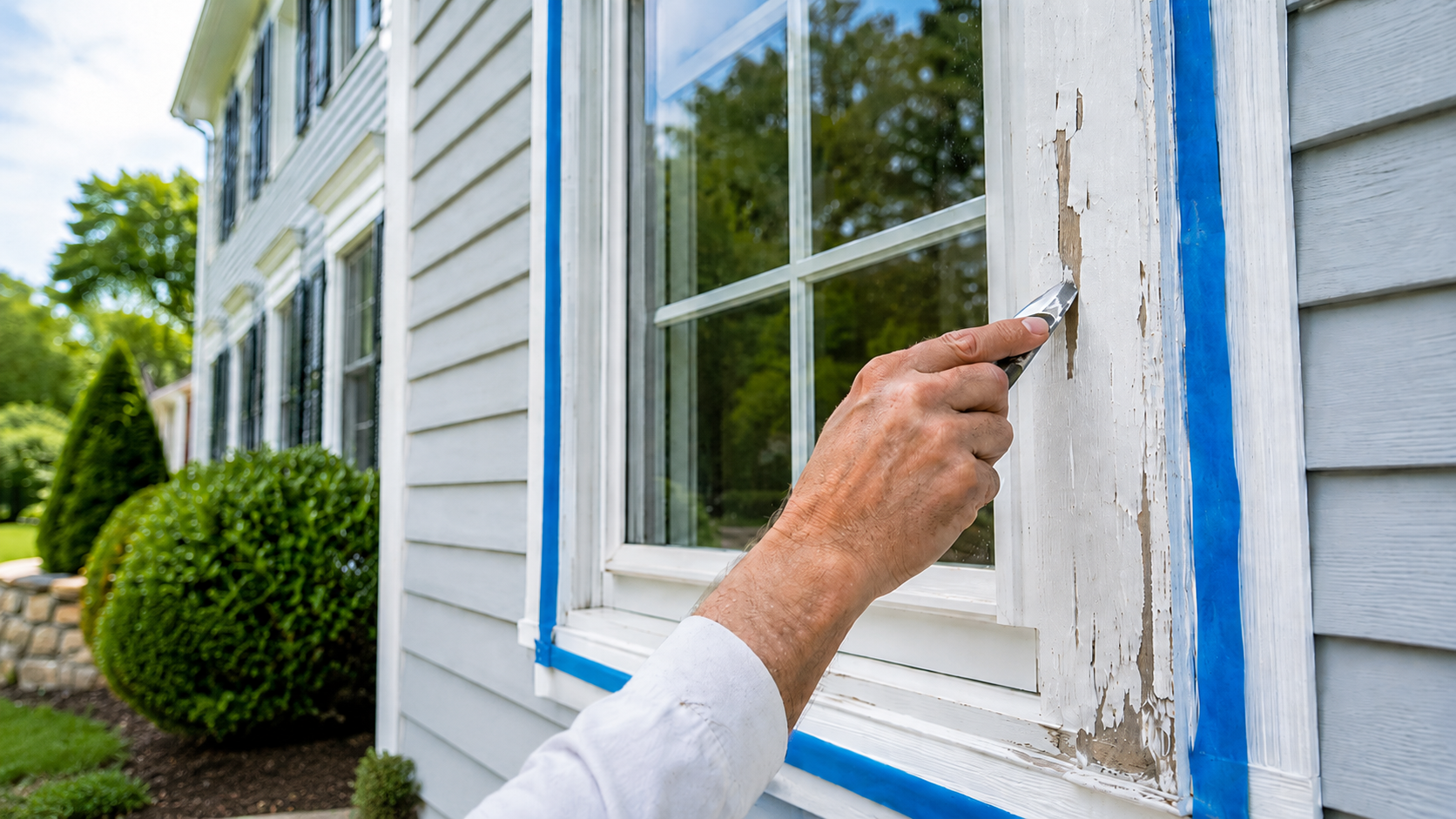
One of the main reasons painting projects take longer than expected is preparation.
Prep may include:
- washing or cleaning
- sanding or scraping
- patching and correction
- caulk repair
- protecting furniture, floors, landscaping, or walkways
- stabilizing weak or failing areas before finish coats begin
This work often shapes the project more than homeowners expect because a better finish usually depends on what happens before the visible painting begins.
Comparison Table — What Usually Changes a Painting Timeline Most
| Timeline Factor | Why It Matters | What to Review |
| Scope | Defines how much work is actually involved | Whether the project is interior, exterior, or both, and how many surfaces are included |
| Preparation | Often adds more time than homeowners expect | Whether washing, sanding, scraping, patching, or correction are needed |
| Surface Condition | Changes whether the work is straightforward or more corrective | Whether the surfaces are stable or already showing failure |
| Access | Affects how efficiently the project can move | Whether stairwells, height, occupied spaces, or tighter areas slow workflow |
| Weather | Can reshape exterior scheduling | Whether drying time, rain, or seasonal conditions may interrupt the work |
Interior and Exterior Projects Follow Different Timelines
Interior painting and exterior painting do not move the same way.
For interior painting, the timeline is often affected by:
- number of rooms
- wall and ceiling condition
- trim detail
- furniture and floor protection
- patching needs
- stairwells or tighter access
- whether the home is occupied during the work
For exterior painting, timing is often shaped by:
- weather conditions
- washing and drying time
- siding and trim wear
- peeling or moisture-related issues
- height and access
- the condition of different elevations around the home
That is why the type of project matters just as much as the size. Homeowners deciding where to begin can also review interior vs exterior painting priorities before choosing the first phase of work.
Exterior Weather Can Change the Schedule
In New Haven County, exterior painting timelines are often influenced by weather in a way interior projects are not.
That may include:
- drying conditions after washing
- rain interruptions
- seasonal timing
- surfaces that stay damp longer
- colder or less stable weather windows
- elevations that need more time because of exposure or wear
This does not mean exterior projects cannot be planned well. It means realistic scheduling should account for the fact that outdoor conditions affect the work path.
Project Complexity Often Matters More Than Homeowners Expect
A project with simple, stable surfaces may move much more efficiently than a project with broader correction needs.
Timeline often changes based on:
- detailed trim
- heavier prep
- older surfaces with visible failure
- multiple rooms with active living use
- homes with more complicated access
- broader sequencing needed to keep the project organized
This is one reason homeowners should be careful about expecting the same schedule for every project that sounds similar on the surface.
A Better Timeline Usually Comes From a Clearer Process
The best way to understand schedule is not to ask for a broad guess alone. It is to define the scope, surface condition, and prep path clearly first.
A stronger process helps explain:
- what happens first
- what prep may slow or extend the work
- where access affects sequencing
- what part of the project is more straightforward
- what kind of workflow the home realistically needs
A clearer process usually leads to a timeline that feels more believable and less frustrating once work begins.
How Homeowners Should Think About Painting Timelines More Clearly
A better question is not only “how many days will this take?” It is:
- what scope is actually being painted
- how much prep is involved
- whether the surfaces are straightforward or corrective
- whether weather affects the project
- how much detail work is included
- how the project needs to be sequenced for the home itself
That gives homeowners a much more realistic sense of timeline than a number without context.
A clear timeline usually depends on a clear estimate. When homeowners understand scope and pricing before work starts, it becomes easier to see why one project may take a day or two while another needs more time for prep, protection, repairs, drying, or multiple coats.
Painting Project Timeline FAQ
How long does a house painting project usually take?
It depends on the scope, prep needs, surface condition, access, and whether the work is interior, exterior, or both.
Why can two similar homes take different amounts of time?
Because the real timeline depends on prep, detail level, repairs, access, and how stable the surfaces are before painting begins.
Does prep usually add time to the project?
Yes. Prep is often one of the biggest scheduling factors because it affects how ready the surfaces are for finish work.
Can weather delay exterior painting?
Yes. Exterior schedules are often shaped by rain, drying conditions, and seasonal weather patterns.
Is interior painting easier to schedule than exterior painting?
Often yes, because interior work is less affected by outdoor weather, though it still depends on access, protection, and room condition.
Start With a Clearer Timeline Based on Real Conditions
If you are trying to understand how long your painting project may take, the most useful next step is to review the actual scope, the prep needs, and the conditions that may shape the workflow rather than relying on a broad average alone.
A better project review helps homeowners understand what affects the schedule, what may extend the work, and what kind of timeline is more realistic for the home.
Alves Pro House Painters helps New Haven County homeowners with clearer scope, organized prep expectations, and more realistic painting timelines built around real project conditions instead of assumptions alone.
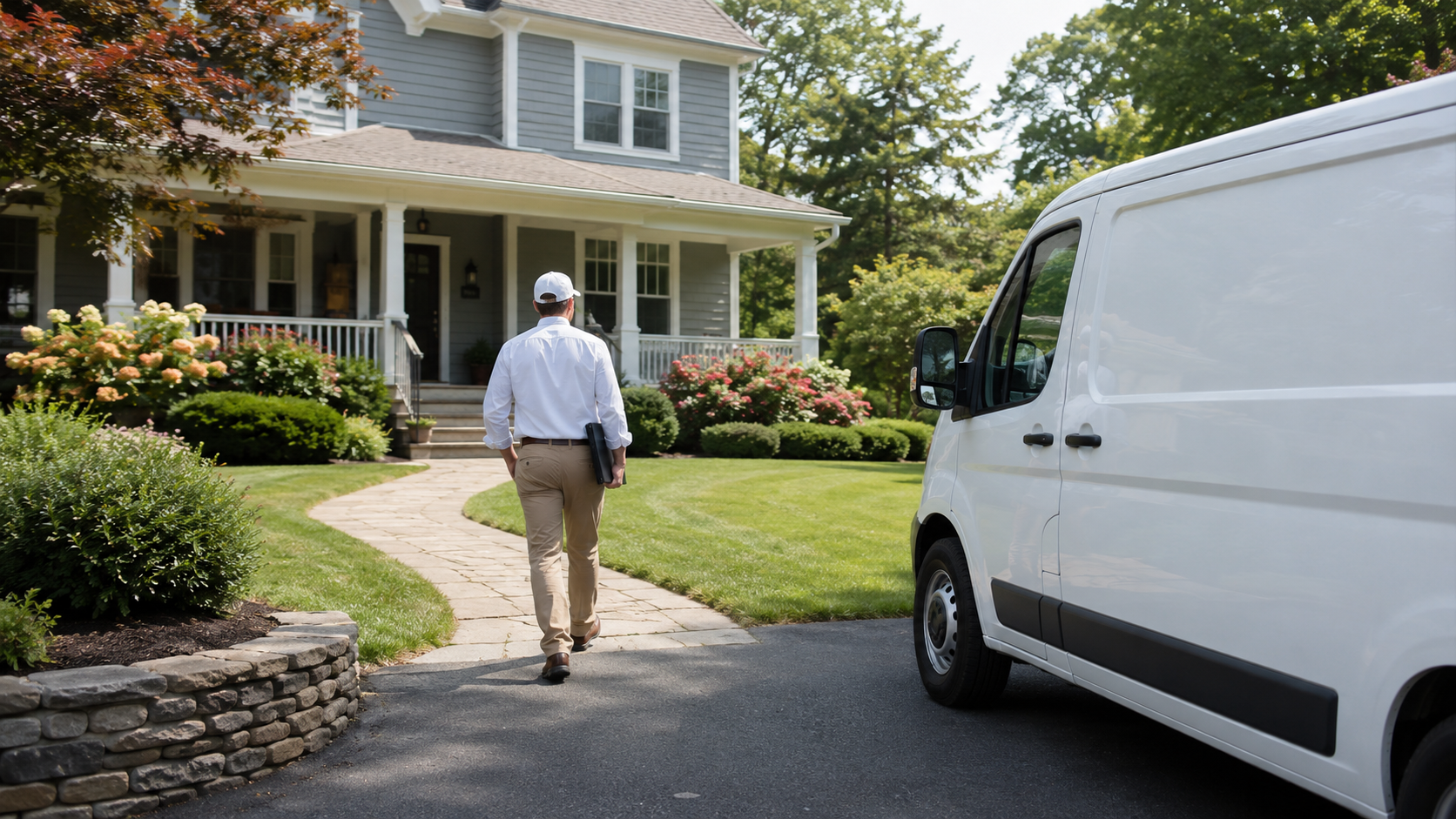
Timeline is only one part of the experience. It also helps to understand what to expect during a professional house painting project, from walkthrough and prep to application, touch-ups, cleanup, and final review.
A better timeline usually starts before the first day of work. Homeowners can reduce confusion by learning how to plan a house painting project step by step before the estimate, scheduling, and prep begin.
If you want a clearer timeline for your home, the next step is to review the scope, surface condition, prep needs, and scheduling details before work begins. You can request a painting estimate to get a more accurate project plan.
What Happens Next
- We confirm your location and project type
- We review the surfaces and likely prep needs
- We define the practical scope and workflow
- We prepare a written estimate based on real conditions
Timeline depends on scope • Prep affects scheduling • Clear process reduces surprises