

Exterior Caulk Failure Before Paint Starts Breaking Down when joints, edges, and transitions are already under stress from movement, moisture exposure, older materials, or earlier prep that is no longer holding evenly before exterior painting begins.
Caulk Failure Often Shows Up Before Broader Paint Failure
Many homeowners first notice peeling paint and assume the coating is the main problem. In many cases, exterior caulk starts failing earlier than the paint itself.
That usually happens because joints and transitions often carry more stress than broader field surfaces.
Those areas may show:
- separation at seams
- cracking along joints
- shrinking or pulling away
- gaps reopening near trim or siding transitions
- earlier weakness around edges and corners
That is why caulk failure is often one of the first visible signs that the exterior system is no longer holding as cleanly as it should.
Movement Is One of the Biggest Reasons Caulk Fails Early
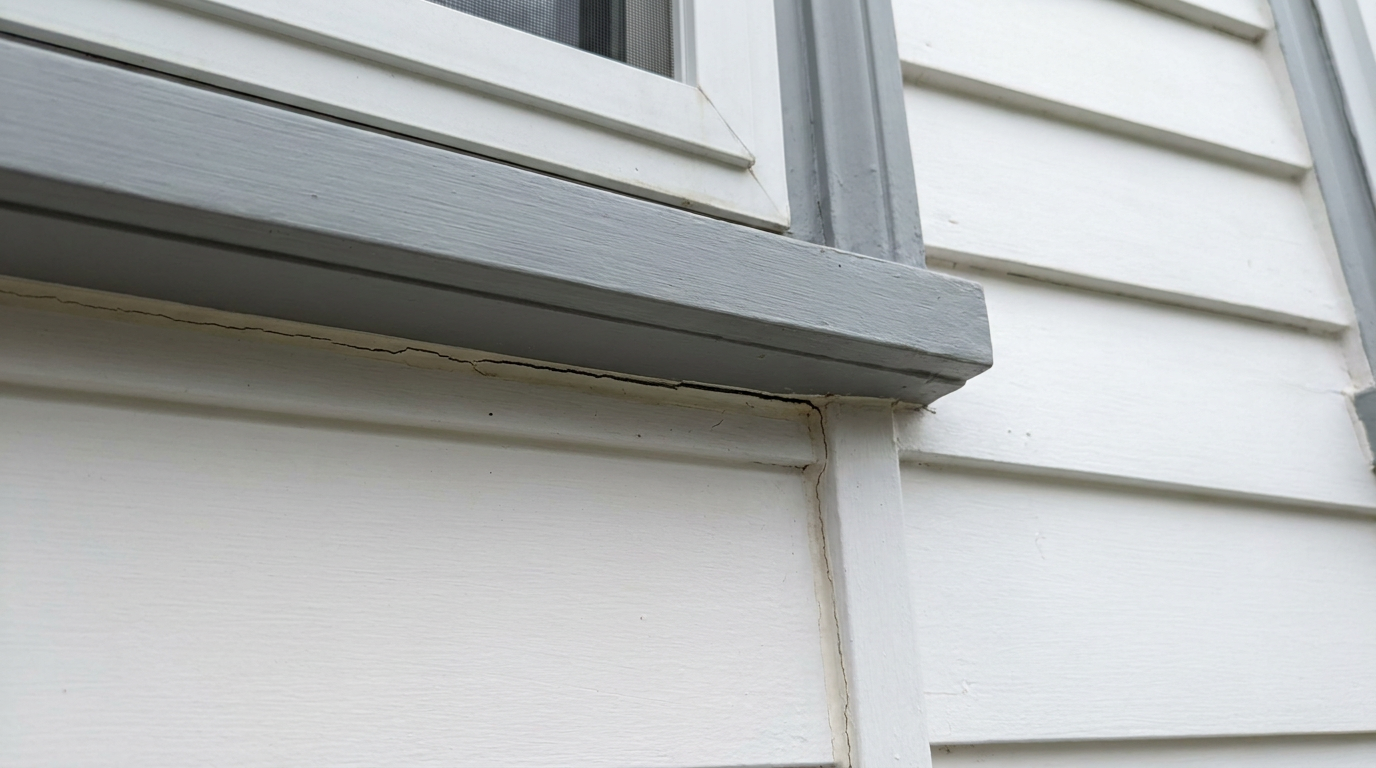
Exterior surfaces do not stay perfectly still over time. Homes expand, contract, dry, and respond to seasonal changes.
That movement can place stress on:
- trim joints
- fascia transitions
- siding connections
- corners and profile changes
- narrower detail areas that move more visibly
When those transitions keep shifting, caulk can begin breaking down before larger painted surfaces show broader failure.
Caulk failure often becomes more obvious after seasonal movement, freeze-thaw stress, and moisture exposure. Homeowners seeing gaps or failing seams may also want to understand why paint peels after winter in Connecticut, since both issues can point to deeper prep and moisture concerns.
Comparison Table — Why Caulk Often Fails Before Paint
| Failure Factor | Why It Matters | What to Review |
| Movement | Puts repeated stress on joints and transitions | Whether trim, fascia, siding connections, or corners are shifting over time |
| Moisture Exposure | Weakens stressed joints faster | Whether dampness, shade, or slower drying are affecting transitions |
| Older Materials | May already be holding unevenly | Whether older joints, earlier caulk, or repair history are creating weak areas |
| Prep Quality | Can determine how well the system holds together | Whether failing material and unstable edges were corrected before repainting |
| Transition Stress | Reveals broader exterior weakness first | Whether joints are reopening before broader paint failure appears |
Moisture Exposure Can Weaken Caulk at Critical Transitions

Caulk often fails faster where moisture pressure is more active.
That may happen around:
- joints that stay damp longer
- shaded sections of the home
- trim areas with slower drying
- edges exposed to repeated weather stress
- sections already weakened by earlier paint failure
When moisture keeps affecting those transitions, caulk can lose flexibility and separation becomes more visible over time.
Open caulk joints can allow water to move behind trim, siding, and painted edges. That is why caulk failure often connects with broader moisture problems that ruin exterior paint if the surface is not corrected before repainting.
Older Homes Often Show Caulk Failure Sooner
Older homes tend to show more caulk-related issues because surfaces have already gone through more paint cycles, more weather exposure, and more movement over time.
That may include:
- older joints that no longer hold evenly
- repeated repainting over stressed transitions
- trim profiles with earlier repair history
- surfaces where previous caulk is aging unevenly
- edges where adhesion is no longer consistent
This is one reason caulk review is often part of prep and repair planning before repainting begins on older Connecticut homes.
For homes in New Haven County, caulk condition can vary by exposure, shade, siding type, trim detail, and how previous repaint cycles were handled.
Weak Prep Can Make Caulk Failure Show Faster
Caulk problems are not always caused only by age or weather. Sometimes they become more obvious because earlier prep did not fully address what the joints needed.
That may involve:
- failing material left in place
- unstable edges not corrected first
- repainting over already weak transitions
- broader surface stress that was never stabilized
- prep that focused on paint but not on the joints supporting the system
When that happens, caulk may begin separating before the homeowner sees broader paint failure elsewhere.
Caulking should be part of a broader surface review, not a rushed step before paint. A cleaner process looks at failed seams, loose paint, surface movement, repair needs, primer, and finish timing before the final coats are applied.
Caulk Failure Usually Signals a Broader Exterior Review Need
When caulk starts failing, the issue is usually not only cosmetic. It often points to a broader exterior condition that should be reviewed before repainting.
That review may need to look at:
- where joints are reopening
- whether trim sections are weakening
- how much moisture is affecting the transitions
- whether movement is stressing the same areas repeatedly
- whether broader prep or repair is needed before the next repaint cycle
That does not always mean the whole house needs major correction. It does mean the failed transitions should not be ignored.
When caulk failure appears around trim, fascia, siding edges, or joints, the question is not always whether to repaint immediately. It may be whether the trim, fascia, and siding should be repaired before exterior painting so the new finish has a more stable base.
How Homeowners Should Think About Caulk Failure More Clearly
A better question is not only “is the paint failing?” It is:
- where are joints separating first
- are those areas under more moisture or movement stress
- is the caulk failure isolated or repeating across the home
- what does that say about prep and repair needs before repainting
- are trim and transitions weakening before the broad siding surfaces
That gives homeowners a much clearer view of whether they are looking at a simple exterior touch-up issue or a repaint path that needs stronger prep and correction first.
Exterior Caulk Failure Before Paint Starts Breaking Down FAQ
Why does exterior caulk fail before paint does?
Caulk often sits at the most stressed joints and transitions, so movement, moisture, and age can cause it to break down earlier than broader painted surfaces.
Is caulk failure an early warning sign?
Yes. It often shows that the exterior system is under stress even before more visible paint failure spreads.
Can moisture make caulk fail faster?
Yes. Dampness and slower drying can weaken joints and make separation more visible over time.
Do older homes usually have more caulk-related issues?
Often yes, because older homes have more movement history, more weather cycles, and more earlier repair layers affecting the joints.
Should failed caulk be reviewed before repainting?
Yes. Repainting over already weak transitions usually leads to a less stable long-term result.
Start With a Clearer Joint and Transition Review
If you are seeing gaps, cracking, or separation around exterior joints, the most useful next step is to review how movement, moisture, and older surface stress are affecting those transitions before repainting begins.
A better exterior review helps homeowners understand whether the issue is localized or part of a broader prep and repair path that should be addressed first for cleaner and more durable results.
Alves Pro House Painters helps Connecticut homeowners with clearer exterior evaluations, organized prep expectations, and repaint planning built around real surface stress instead of surface-level assumptions.
If you are seeing cracked caulk, open joints, moisture movement, or early exterior paint failure, the next step is to review the surface condition before repainting. You can request an exterior painting estimate based on the actual joint, trim, and surface conditions.
What Happens Next
- We confirm your location and project type
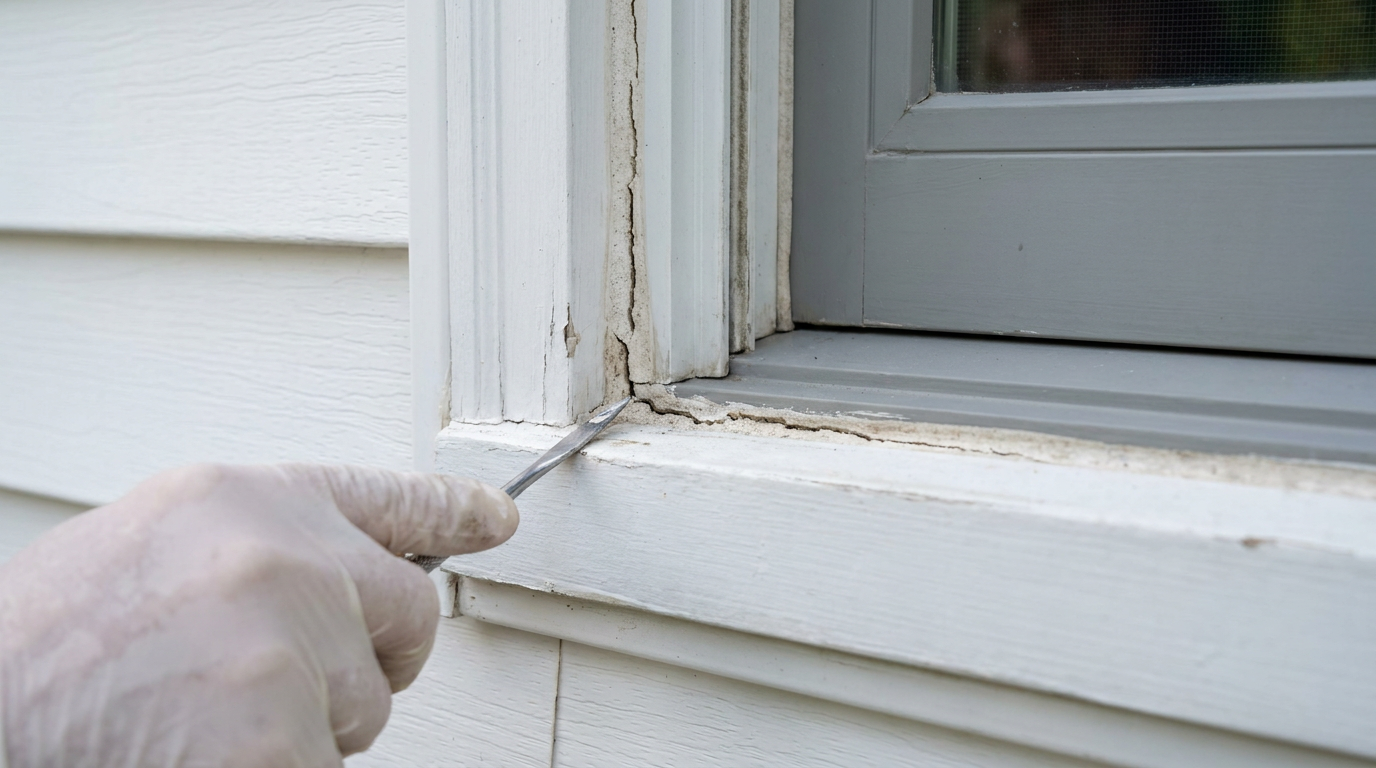
- We review joints, edges, and transition areas
- We identify likely movement, moisture, and prep-related factors
- We prepare a written estimate based on real conditions
Caulk failure starts early • Joints reveal stress first • Prep affects long-term hold