
A professional painting estimate should do more than show a price. It should explain the likely scope, prep needs, surface condition, project limits, and finish expectations clearly enough for a homeowner to understand what is actually being proposed before the job begins and what affects painting prices in CT.
A Professional Estimate Should Explain More Than Cost
Many homeowners ask for a painting estimate expecting a fast number. That is understandable, but a professional estimate is more useful when it explains what the project includes and why the work is priced that way.
In New Haven County, a strong estimate should help you understand the actual scope of the job, not just the total.
That means the estimate should make it easier to see:
- what is being painted
- what condition the surfaces appear to be in
- what preparation is likely required
- what level of detail the job calls for
- what may affect timing, labor, and finish quality
A clearer estimate usually leads to a better decision because it gives the homeowner something real to evaluate.
The Estimate Should Define the Scope Clearly
One of the first things a professional painting estimate should include is a clear definition of scope.

That usually means identifying:
- which rooms, elevations, or surfaces are included
- whether the work is interior, exterior, or both
- whether trim, ceilings, doors, shutters, railings, or other details are included
- whether the estimate is focused on repainting only or includes broader correction
- what parts of the property are outside the current scope
Without this level of clarity, two estimates can appear to describe the same project while actually pricing different work.
Comparison Table — What a Professional Estimate Should Clarify
| Estimate Element | Why It Matters | What to Understand |
| Scope | Defines what work is actually being priced | Which surfaces, rooms, elevations, or details are included |
| Prep | Affects durability and finish quality | What cleaning, sanding, scraping, patching, or correction is likely included |
| Surface Condition | Changes the work path and pricing logic | Whether the home is being priced as a straightforward repaint or a more corrective project |
| Exclusions | Prevents confusion after approval | What repairs, conditions, or surfaces fall outside the current quote |
| Finish Expectations | Shapes the standard of the result | What level of detail, control, and durability the estimate is designed to support |
Preparation Should Never Be Treated Like a Minor Detail
Prep is one of the biggest parts of a painting project, and a professional estimate should reflect that.
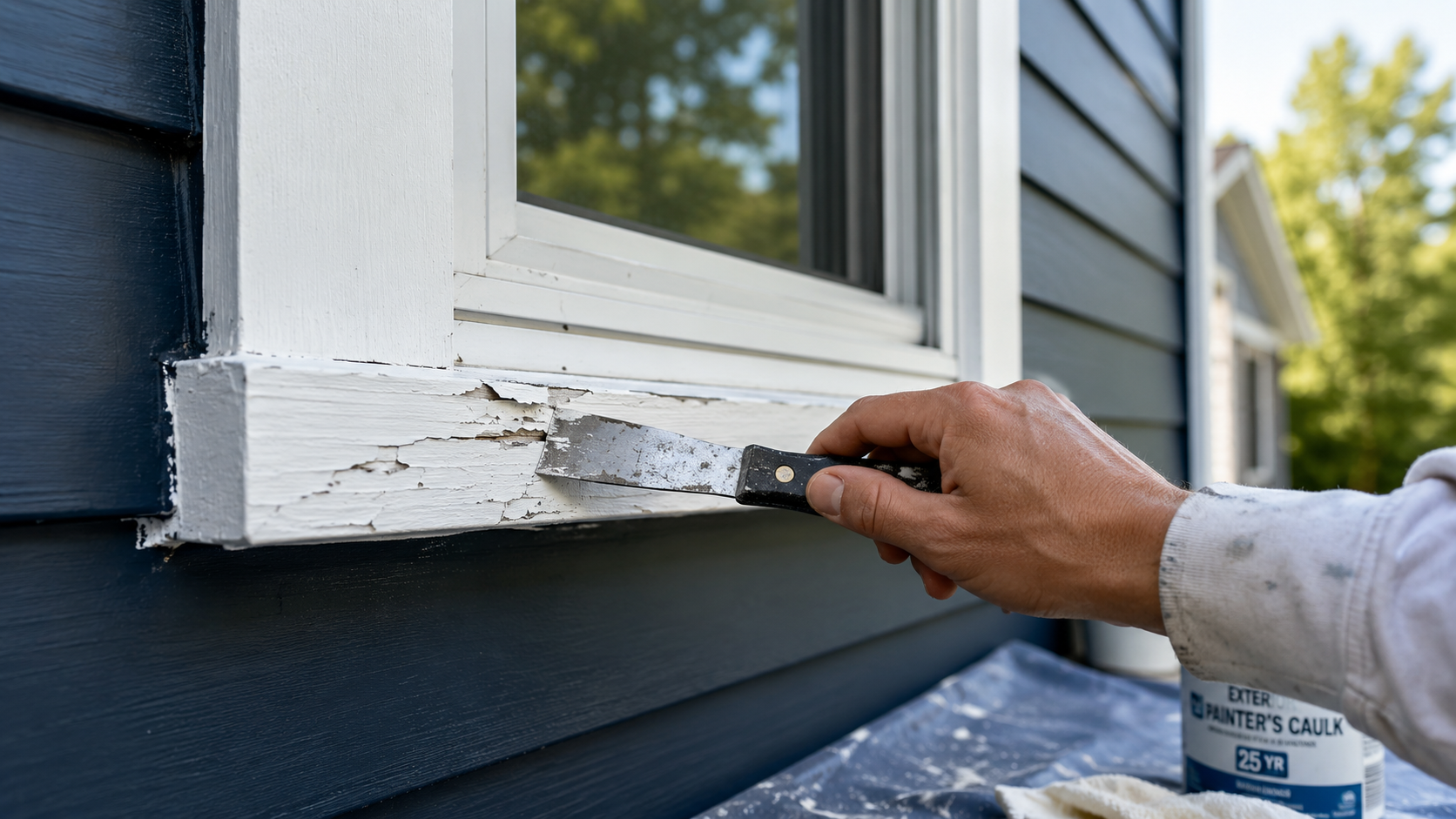
Depending on the home, prep may include:
- surface cleaning or washing
- scraping or sanding
- caulk correction
- patching small problem areas
- stabilizing edges, trim, or previously failing sections
- protecting furniture, floors, landscaping, or surrounding areas
When prep is vague or barely mentioned, homeowners often cannot tell whether the estimate is pricing a durable paint job or just a faster version of visible coverage.
A more professional estimate explains where preparation matters and how it affects the process.
Surface Condition Should Be Reflected in the Estimate
A strong painting estimate should acknowledge that surface condition changes the work.
If a home has:
- peeling paint
- cracks or patching issues
- worn trim
- moisture-related deterioration
- previous coating failure
- more visible imperfections under light
the estimate should account for that reality.
This does not mean every estimate needs to read like a technical report. It does mean the homeowner should be able to understand whether the company is pricing a clean, straightforward repaint or a project that requires more correction before painting can begin properly.
A Better Estimate Also Shows What Is Not Included
Professional estimates are stronger when they clarify exclusions as well as inclusions.
This may include limits around:
- carpentry or larger repair work
- deeper substrate issues
- hidden damage discovered after prep starts
- specialty surfaces not included in the base quote
- changes in scope requested after approval
- areas that require a separate review
This matters because confusion usually happens when expectations are broader than the written estimate.
A homeowner should not have to guess what is excluded.
Interior and Exterior Estimates Should Not Read the Same Way
A professional estimate should reflect the kind of project being priced.
For interior painting, estimate details often need to account for:
- room-by-room scope
- wall and ceiling condition
- trim detail
- furniture protection
- active living areas
- patching before finish work
- stairwells or hard-to-reach spaces
For exterior painting, the estimate may need to reflect:
- siding condition
- trim wear
- washing requirements
- weather exposure
- height and access
- peeling or edge failure
- moisture-affected areas
A better estimate feels specific to the actual project, not like a generic form reused for every home.
What Homeowners Should Be Able to Understand After Reading an Estimate
By the end of a professional estimate, the homeowner should be able to understand:
- what is being priced
- what level of prep is likely included
- what may affect durability and finish quality
- what details are inside the scope
- what is not included
- what the next step is if they want to move forward
That is one of the clearest differences between a quote that simply gives a number and an estimate that helps the homeowner make a more informed decision.
Once homeowners understand what should be included, the next step is knowing how to compare house painting estimates in New Haven County without looking only at the lowest number.
Professional Painting Estimate FAQ
What should a professional painting estimate include first?
It should first make the scope clear, including what surfaces are included, what type of painting is being proposed, and what general prep path is expected.
Should prep be listed in a painting estimate?
Yes. Prep affects labor, durability, and final appearance, so it should not be treated like an afterthought.
Why do some estimates feel too vague?
Because they may focus mostly on price while leaving out details about prep, surface condition, exclusions, or finish expectations.
Should exclusions be part of the estimate too?
Yes. A stronger estimate helps homeowners understand both what is included and what is outside the current scope.
Can a detailed estimate still change later?
Yes. Some projects reveal additional issues after work begins, but a professional estimate should still define the expected scope as clearly as possible from the start.
Get a Clearer Painting Estimate Before You Commit
If you are reviewing proposals for a painting project, a professional estimate should help you understand more than cost alone. It should clarify the scope, the prep path, the surface realities, and the quality standard behind the work.

That level of clarity helps homeowners compare options more intelligently and move forward with fewer misunderstandings once the project begins.
Alves Pro House Painters helps New Haven County homeowners with more clearly defined scope, organized prep expectations, and written estimates built around the actual needs of the home.
If you want a clearer estimate for your home, the next step is to review the surfaces, confirm the scope, and request a painting estimate based on the actual project conditions.
What Happens Next
- We confirm your location and project type
- We review the surfaces and likely prep needs
- We define the practical scope of the project
- We prepare a written estimate based on real conditions
Clear scope matters • Prep should be defined • Better estimates reduce surprises