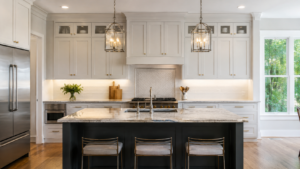

Many painting problems start before the project ever begins. Homeowners often make understandable mistakes when comparing estimates, reviewing scope, or judging value too quickly. One of the most common house painting mistakes homeowners make before hiring a painter is focusing only on the final price without understanding what the house painting estimate actually includes.
Most Hiring Mistakes Start With Incomplete Comparison
Many homeowners are not making careless decisions. They are usually making decisions with incomplete information.
Before hiring a painter, it is common to focus on:
- the final price first
- a fast timeline
- a simple verbal promise
- a general impression that the project sounds straightforward
The problem is that painting projects often vary based on scope, prep, surface condition, detail level, and finish expectations. If those areas are not clear early, a homeowner may think they are comparing equal options when they are not.
That is where many avoidable problems begin.
Mistake 1: Comparing Price Without Comparing Scope
One of the most common mistakes is treating all painting estimates as if they represent the same job.
In reality, one estimate may include:
- heavier prep
- patching or correction
- more protection of active areas
- more detailed trim work
- broader surface coverage
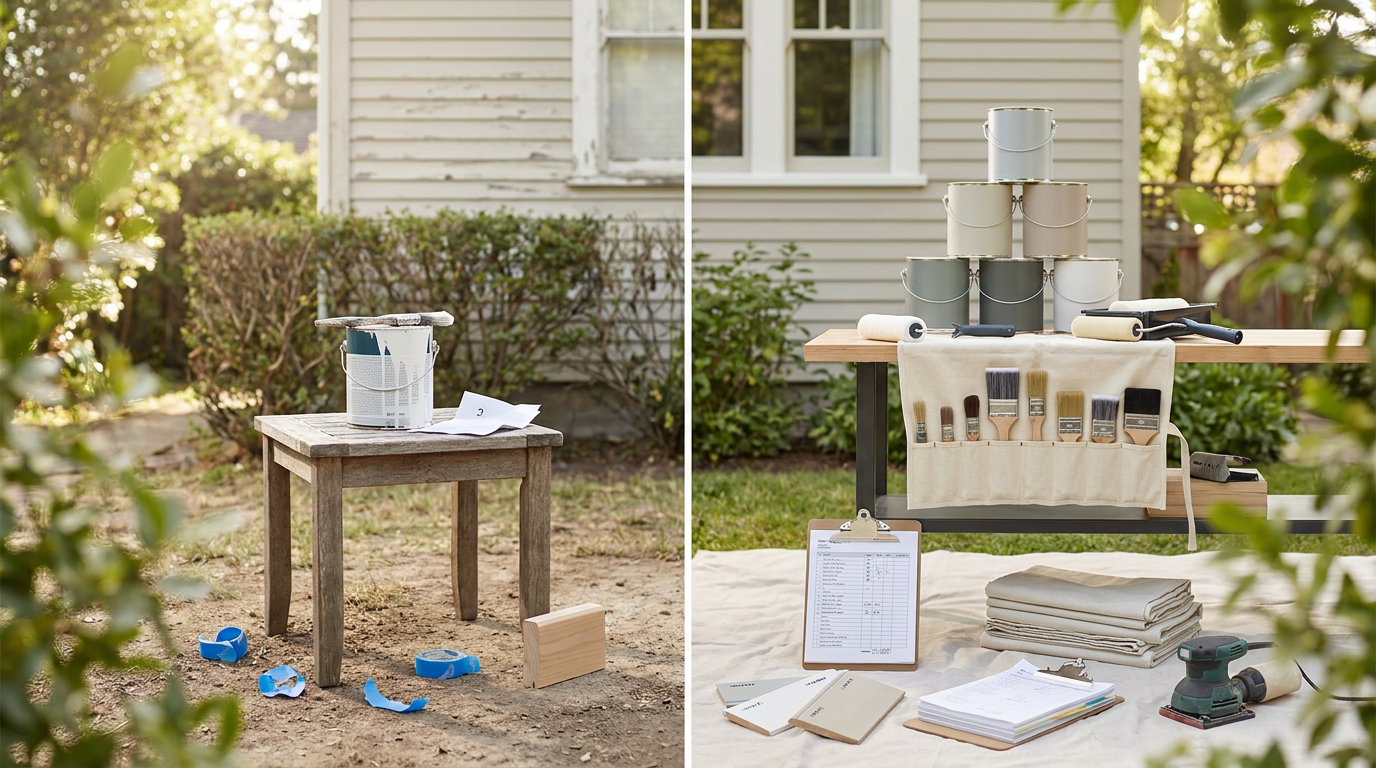
while another may only price a lighter version of the same project.
That is why comparing price alone often leads homeowners toward the wrong conclusion.
A lower number does not always mean the same job for less. Before choosing based on price alone, homeowners should understand what affects painting prices in CT, including scope, prep, surface condition, access, materials, and finish expectations.
Comparison Table — Common Hiring Mistakes Before a Painting Project
| Hiring Mistake | Why It Matters | What to Clarify |
| Comparing Price Only | Can hide major scope differences | Whether the estimates are pricing the same work standard |
| Ignoring Prep | Affects durability and finish quality | What cleaning, sanding, patching, or correction is included |
| Assuming All Projects Price the Same Way | Interior and exterior work behave differently | How the specific project type changes labor and scope |
| Choosing the Lowest Number Too Quickly | May reduce value later | What was simplified or excluded to reach the lower price |
| Not Checking Exclusions | Creates confusion during the job | What repairs, surfaces, or conditions fall outside the proposal |
Mistake 2: Underestimating the Role of Preparation
Another common mistake is assuming the visible painting is the main job and prep is only a small detail.
In many homes, preparation is one of the biggest parts of the project. It may include:
- washing or cleaning
- sanding or scraping
- caulk correction
- patching weak areas
- protecting floors, furniture, or landscaping
- stabilizing surfaces before finish coats begin
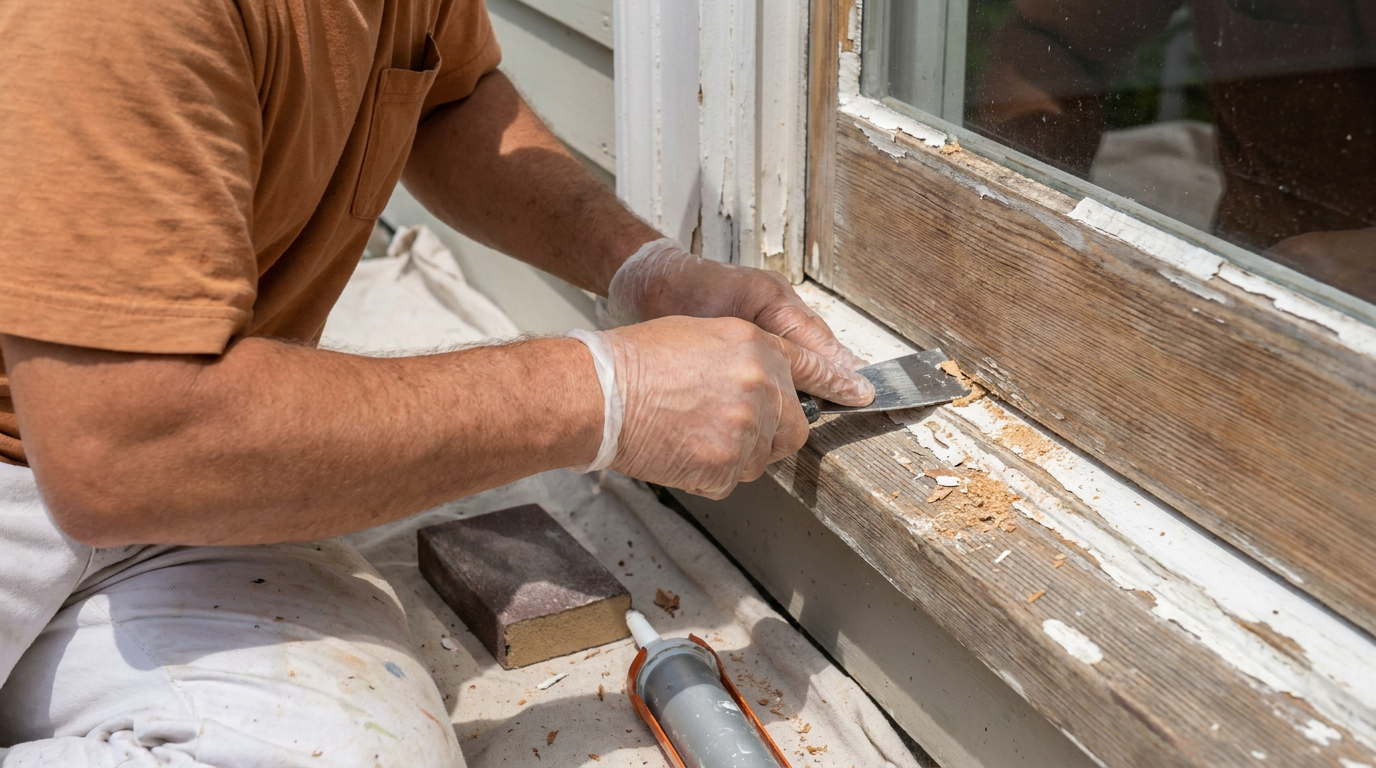
When prep is ignored or lightly priced, the result may look acceptable at first but fail sooner or look less controlled than expected.
Another common mistake is agreeing to a project before the prep path is clear. A stronger process should explain surface review, protection, repairs, priming, application, cleanup, and final walkthrough before work begins.
Mistake 3: Assuming Interior and Exterior Work Price the Same Way
Homeowners also run into trouble when they assume all painting projects behave the same way.
For interior painting, the scope often changes based on:
- wall and ceiling condition
- patching needs
- furniture protection
- room sequencing
- trim detail
- stairwells or difficult access
For exterior painting, the work is often shaped by:
- weather wear
- siding condition
- washing needs
- peeling paint
- trim exposure
- height and access
- moisture-related deterioration
Hiring well starts with understanding that the work is different, and the estimate should reflect that.
For homeowners in New Haven County, the right painting company should understand local home conditions, prep expectations, scheduling realities, and how different surfaces affect the real scope of the work.
Mistake 4: Choosing the Lowest Number Too Quickly
A lower price can be attractive, especially when several companies seem to be offering the same service. But a low estimate often becomes low by reducing something in the project.
That reduction may involve:
- less prep
- fewer details
- more limited scope
- less protection
- lighter correction
- a lower finish standard
That does not mean every lower quote is automatically wrong. It means homeowners should understand what has been simplified in order to reach that number.
Some hiring mistakes happen when homeowners compare price without comparing scope. If the gap between proposals is large, it may help to review cheap house painting vs professional painting before making the final decision.
Mistake 5: Not Asking What Is Excluded
Many misunderstandings happen because the homeowner focuses only on what they assume is included and never confirms what is outside the estimate.
Important exclusions may involve:
- larger repairs
- hidden damage
- specialty surfaces
- expanded patching
- washing outside the listed scope
- added rooms, elevations, trim elements, or details
A stronger hiring decision usually comes from understanding both the included scope and the boundaries of the proposal.
Homeowners can avoid many hiring mistakes by learning how to compare house painting estimates in New Haven County based on scope, prep standards, exclusions, communication, warranty support, and finish expectations.
Mistake 6: Not Clarifying What the Process Will Feel Like
Homeowners often think about the finished result but not enough about the process itself.
Before hiring, it helps to understand:
- how the company reviews the home
- how prep is handled
- what kind of protection is used
- how active living spaces or access areas are managed
- what the likely work sequence looks like
- how the project is expected to move from review to completion

This helps reduce stress and makes the project feel more predictable from the start.
Hiring is only the beginning. Before approving the work, it helps to understand what to expect during a professional house painting project, from walkthrough and protection to prep, painting, touch-ups, cleanup, and final review.
House Painting Hiring FAQ
What is the biggest mistake homeowners make before hiring a painter?
One of the biggest mistakes is comparing estimates by price alone without checking whether the scope, prep, and finish expectations are actually the same.
Why does prep matter so much before hiring?
Because prep affects labor, durability, and final appearance. If it is vague in the estimate, the homeowner may not be comparing the project clearly.
Should I ask what is excluded from the estimate?
Yes. Exclusions help define the real scope and reduce confusion later in the project.
Is the lowest quote usually the wrong choice?
Not always, but it should be reviewed carefully. A lower quote may reflect a narrower scope or lighter prep rather than better value.
What should I understand before I commit?
You should understand the scope, prep path, likely finish standard, exclusions, and how the company expects the project to move from start to finish.
Make a Better Hiring Decision Before the Project Starts
A painting project usually goes better when the hiring decision is based on clarity instead of assumptions. Homeowners who understand scope, prep, process, and exclusions early are far less likely to run into confusion once the work begins.
A better estimate does more than give a number. It helps define what kind of project is actually being proposed and what kind of result the home is being prepared to receive.
Alves Pro House Painters helps New Haven County homeowners with clearer scope, organized prep expectations, and a more understandable estimate process before the project moves forward.
If you want to avoid common hiring mistakes, the next step is to review the surfaces, clarify the scope, and request a painting estimate based on the actual project conditions.
What Happens Next
- We confirm your location and project type
- We review the surfaces and likely prep needs
- We define the practical scope more clearly
- We prepare a written estimate based on real conditions
Scope matters early • Prep affects results • Better decisions reduce problems