
Not every exterior surface should be approached the same way. Wood, vinyl, and stucco each respond differently to weather, preparation, moisture, movement, and finish application. A better exterior painting plan starts with understanding what kind of surface the home has and how that material affects the scope of work.
Surface Type Changes More Than Homeowners Expect
Many homeowners think of exterior painting as one category of service, but the material being painted often changes the project more than expected.
The type of surface can affect:
- how the home needs to be prepared
- how moisture behaves around the material
- how the coating holds over time
- how detail areas age
- what kind of finish control is realistic
- how vulnerable the surface is to earlier failure
That is why a better painting review starts by looking at the actual substrate, not just the color change or the visible need for repainting.
Wood Surfaces Often Need More Correction and Stability Review
Wood is one of the most common surfaces where preparation quality makes a major difference.
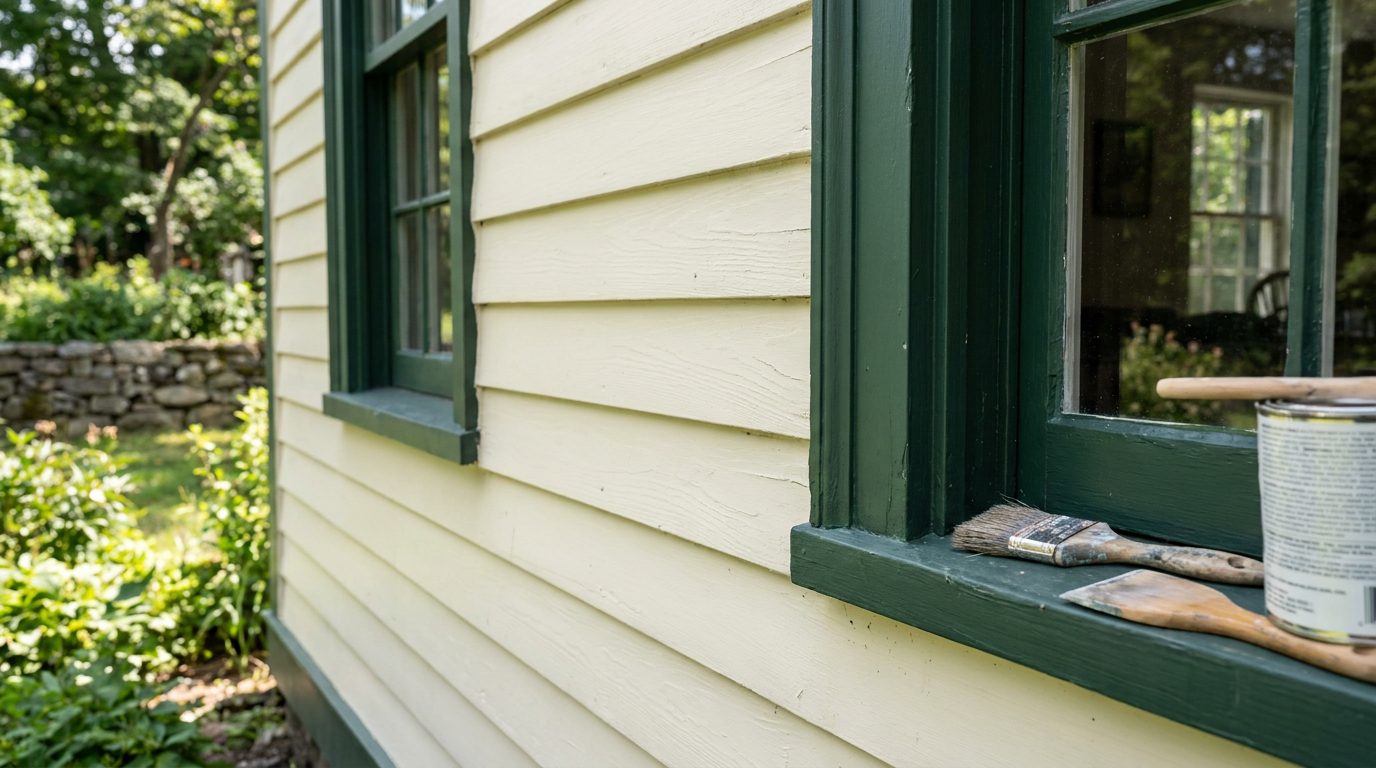
Wood exteriors may be more affected by:
- moisture movement
- expansion and contraction
- aging trim details
- peeling or lifting around edges
- weak earlier coatings
- areas that need more stabilization before painting begins
Because wood can respond more actively to weather and moisture, the prep path often matters just as much as the finish coats themselves.
Wood, trim, clapboard, and cedar often move, weather, and age differently than smoother or less absorbent surfaces. That is why the repaint cycle by surface can change depending on exposure, prep history, moisture, and the condition of the material.
Comparison Table — How Surface Type Changes the Painting Plan
| Surface Type | Why It Matters | What to Review |
| Wood | Often needs more correction and stability review | Whether moisture, movement, edges, or older coatings are weakening the surface |
| Vinyl | Changes how the project should be evaluated | Whether the surface is stable, aging evenly, and suitable for the intended repaint path |
| Stucco | Creates different prep and finish expectations | Whether texture, uneven wear, and moisture behavior affect the broader scope |
| Trim and Details | Often fail sooner than main surfaces | Whether joints, corners, edges, or decorative sections need broader correction |
| Transitions | Can expose earlier coating and caulk weakness | Whether vulnerable connections between surfaces are already breaking down |
Vinyl Surfaces Change the Painting Conversation
Vinyl can create a different kind of painting decision because the material behaves differently than older wood surfaces.
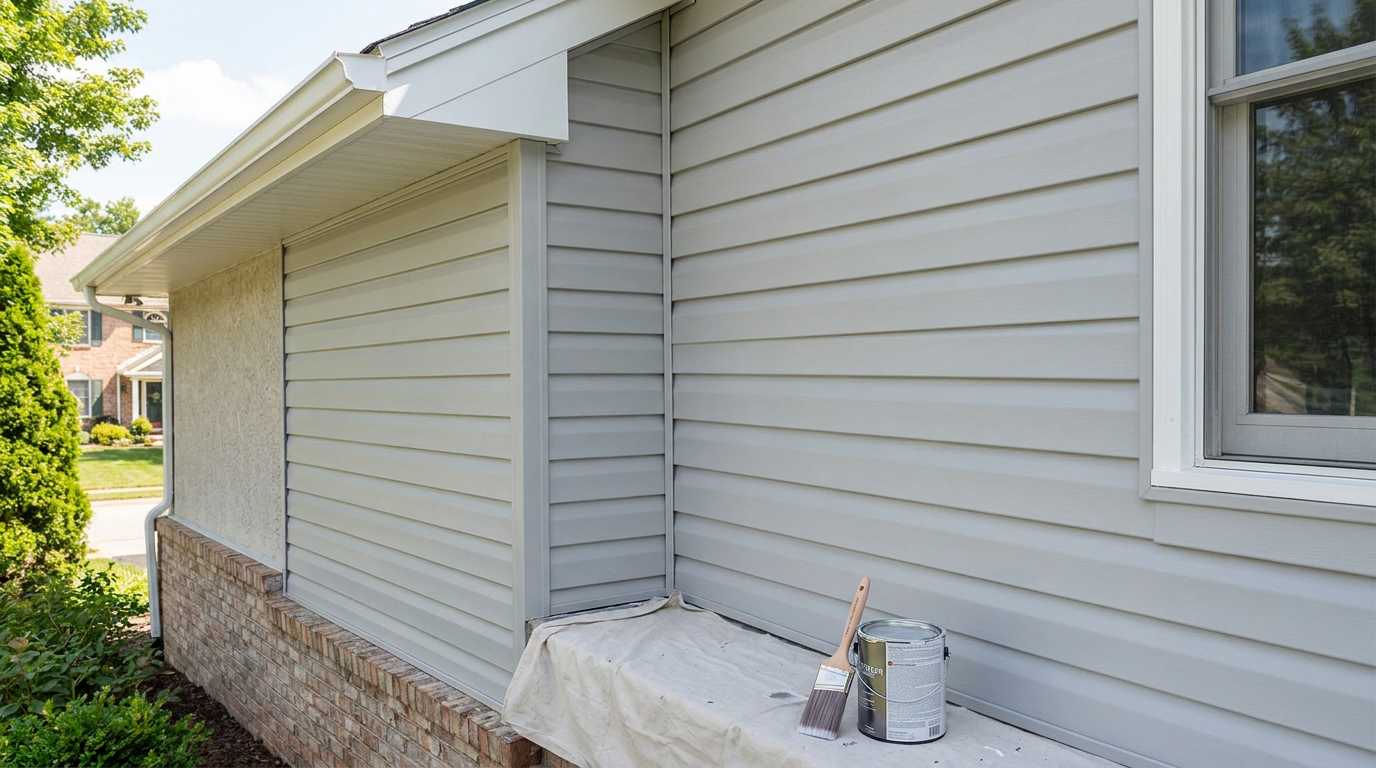
With vinyl, the review often needs to consider:
- overall surface condition
- how weather exposure has affected the material
- whether the existing exterior is stable enough for repainting
- how evenly different elevations are aging
- whether the project is really about repainting, refreshing, or dealing with broader wear
Vinyl does not automatically require the same prep path as wood, but it still needs a surface-aware approach rather than a generic paint plan.
Different materials also change how paint bonds and how long the finish may last. Product compatibility, surface cleaning, prep quality, exposure, and moisture all influence what affects exterior paint durability in Connecticut homes.
Stucco and Textured Surfaces Create a Different Scope
Stucco and other textured surfaces can change both preparation and finish expectations.
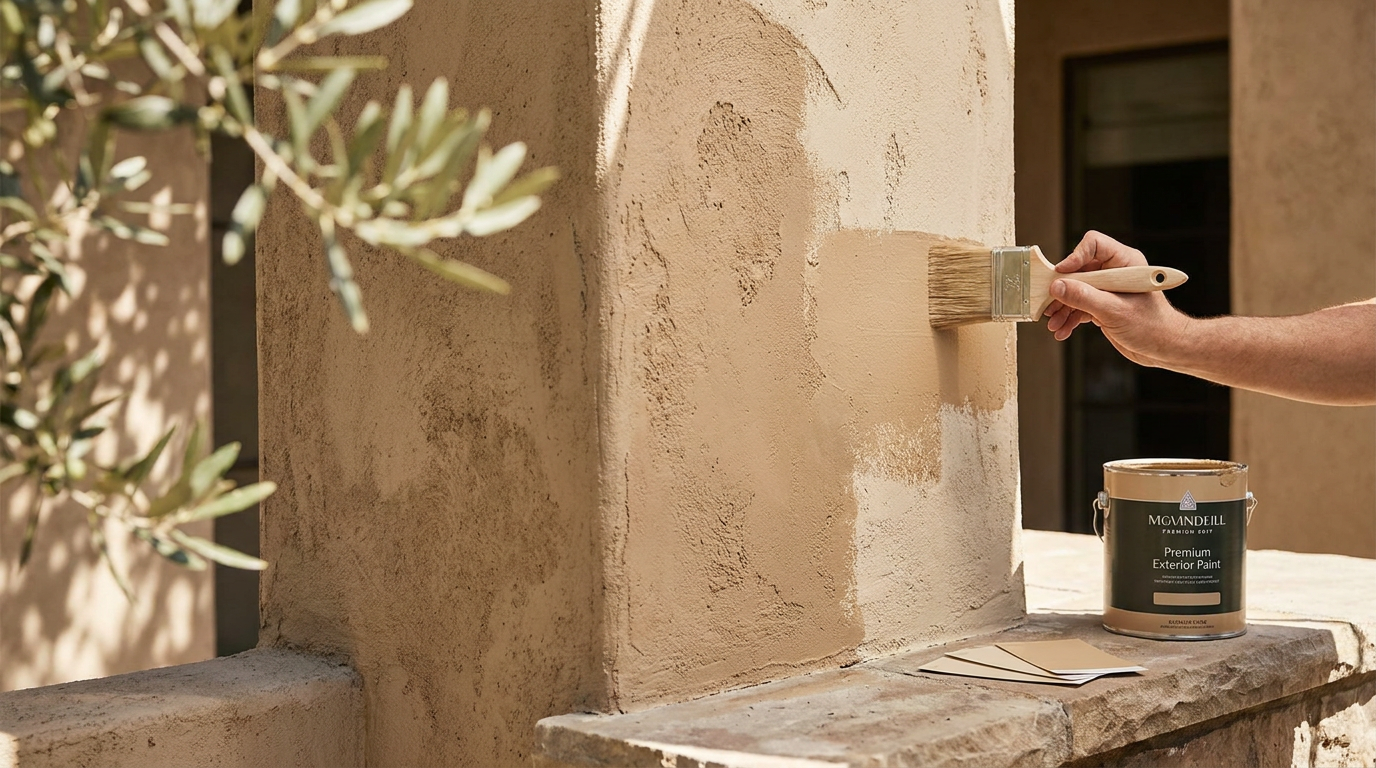
These surfaces may affect the project through:
- broader texture variation
- weather stress across uneven areas
- different wear patterns
- moisture behavior in rougher sections
- wider visibility of surface inconsistency
- a different labor path for creating a cleaner overall appearance
A painting project on stucco should be approached with the material in mind, not treated like a smoother siding repaint.
Trim, Details, and Transition Areas Often Fail Faster Than Main Surfaces
Even when the main field surface is holding reasonably well, trim and transition areas often show problems sooner.
That may include:
- corners and edges
- joints and transitions
- decorative trim
- narrower profile sections
- surfaces with more direct weather stress
- areas where earlier caulk or coating failure has weakened the edges
This matters because many homes are not failing evenly. The main siding may still look serviceable while details and trim already need broader correction.
Preparation Needs Should Match the Surface, Not a Generic Checklist
One of the biggest mistakes in exterior painting is using a one-size-fits-all prep approach.
A better prep plan depends on:
- the surface type
- the condition of the existing coating
- whether moisture is present
- how much weather wear the home has taken
- whether the problem is broad or limited to certain areas
- how detailed the architecture is
This is why two homes of similar size may still need very different painting paths if the substrate behaves differently.
Surface type changes the prep path. Older wood, worn trim, stucco texture, vinyl condition, past coating layers, and siding movement can all require different preparation decisions. Homeowners with older properties may also want to review exterior painting prep standards for older Connecticut homes before repainting.
Some exterior surfaces need cleaning before paint or stain can perform properly. When dirt, mildew, chalking, or residue are present, house power washing can help prepare siding, trim, decks, fences, and other surfaces before the finish stage.
How Homeowners Should Think About Surface Type More Clearly
A better question is not just “does this house need paint?” It is:
- what material is being painted
- how is that material holding up right now
- where is the surface already weakening
- what kind of prep does this material realistically need
- which areas of the home are aging faster than others
That gives a much more accurate picture of what the project requires and why one house may need a simpler repaint while another needs a more corrective approach before painting begins.
The right painting approach starts with a surface review. A clearer process helps identify material type, prep needs, primer requirements, repair concerns, coating compatibility, and finish expectations before work begins.
For homes in New Haven County, exterior surface type can vary widely by age, town, siding material, trim detail, shade, moisture exposure, and previous repaint cycles.
Surface Type and Painting FAQ
Does surface type really affect how a painting project should be handled?
Yes. Wood, vinyl, stucco, and detailed trim areas can all behave differently and often require a different prep and painting approach.
Why does wood usually need closer review?
Because wood can be more affected by moisture, movement, aging edges, and earlier coating failure.
Is vinyl painted the same way as wood?
No. Vinyl creates different considerations, so the project should be reviewed based on the actual condition and exposure of that material.
Do textured surfaces change the scope of painting?
Yes. Stucco and other textured surfaces often change both prep needs and finish expectations.
Can trim fail sooner than the main siding?
Yes. Trim, edges, joints, and transition areas often show earlier wear than the larger field surfaces.
Start With a Surface-Aware Exterior Review
If you are planning an exterior painting project, one of the most useful first steps is understanding what kind of surface the home has and how that material is actually holding up under current conditions.
A better review helps homeowners see whether the project is mainly a repaint, a broader prep issue, or a more surface-specific correction path before painting can move forward with better durability.
Alves Pro House Painters helps New Haven County homeowners with clearer exterior evaluations, organized prep expectations, and repaint planning built around the actual material, condition, and exposure of the home.
If you are unsure how wood, vinyl, stucco, siding, trim, or another surface should be painted, the next step is to review the surface condition before choosing the coating path. You can request an exterior painting estimate based on the actual material, prep, and durability needs.
What Happens Next
- We confirm your location and project type
- We review the surface type and current wear
- We identify likely prep and durability factors
- We prepare a written estimate based on real conditions
Surface type changes scope • Prep depends on material • Durability starts with fit