
Plan a house painting project in CT by starting with scope, surface condition, prep needs, repairs, product selection, timing, protection, and estimate details.
A house painting project usually goes better when the planning is clearer before the work begins. Homeowners do not need to overcomplicate the process, but they do need to understand the scope, the priorities, the prep path, the estimate, and what kind of result the home is realistically ready for. For homeowners in New Haven County, the right plan should account for the home’s condition, the service needed, the project timeline, and the level of preparation required before painting begins.
A Better Painting Project Starts With a Clearer Plan
Many painting problems do not begin during the work itself. They begin earlier, when the project is being planned too loosely.
A clearer plan helps homeowners understand:
- what needs to be painted first
- what condition the surfaces are in
- whether the project is interior, exterior, or both
- what level of prep is likely required
- what details may affect timeline, cost, and finish quality
Planning does not need to be technical. It simply needs to be structured enough that the homeowner can move forward with fewer assumptions and fewer surprises.
Step 1: Define the Real Scope of the Project
The first step is understanding what the project actually includes.
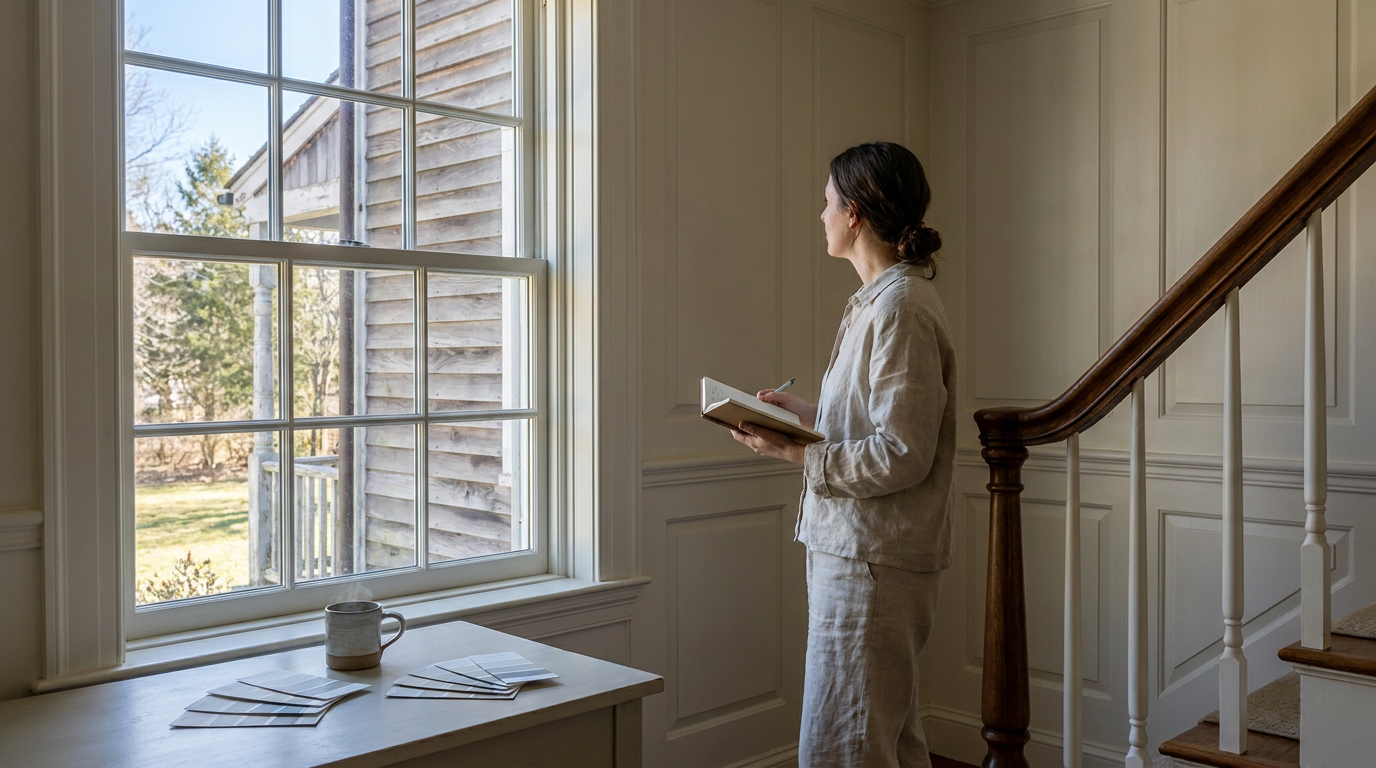
That may involve identifying:
- which rooms, elevations, or surfaces need painting
- whether trim, ceilings, doors, shutters, or detail areas are included
- which sections are the highest priority
- whether the home needs a straightforward repaint or a more corrective approach
- whether the work should happen all at once or in stages
This matters because planning becomes much easier once the homeowner is clear about what is truly inside the project and what is not.
Before requesting pricing, the scope should be clear enough to explain which areas are included, what surfaces need work, what prep may be required, and what expectations matter most. A stronger house painting estimate should connect those details instead of giving only a number.
Comparison Table — What a Clearer Plan Should Define Early
| Planning Element | Why It Matters | What to Clarify |
| Scope | Creates a more accurate project outline | Which surfaces and areas are included |
| Priority | Helps sequence the work practically | What needs attention first |
| Condition | Affects prep and finish expectations | What problems already exist on the surfaces |
| Phasing | Improves decision-making when work is staged | Whether all work happens now or in steps |
| Approach | Shapes estimate and prep planning | Whether the project is repainting or more corrective work |
Step 2: Review Surface Condition Before Thinking About Finish
A house may look ready for painting at first while still having underlying issues that affect the project.
Before choosing colors, timing, or budget expectations, it helps to review:
- peeling or unstable paint
- patching needs
- trim wear
- cracks or weak transitions
- moisture-related issues
- whether earlier coatings are still holding properly
The condition of the surface often determines whether the job is mostly repainting or whether broader correction needs to happen first.
The first step is deciding which part of the home needs attention most. If both inside and outside areas show wear, homeowners should compare interior vs exterior painting before choosing the first phase of work.
Step 3: Decide What Needs to Happen First
Not every homeowner needs to do everything at once.
A better project plan may involve deciding:
- whether exterior painting should come before interior work
- whether the most worn side of the house needs attention first
- whether prep-heavy areas should be handled before broader repainting
- whether the home is being improved for long-term use, resale, or maintenance timing
- whether some sections can wait while others should be addressed now
This helps turn a broad painting idea into a practical sequence.
Step 4: Understand the Preparation Path
Preparation is one of the biggest parts of a painting project, and it should be part of the planning stage, not an afterthought.
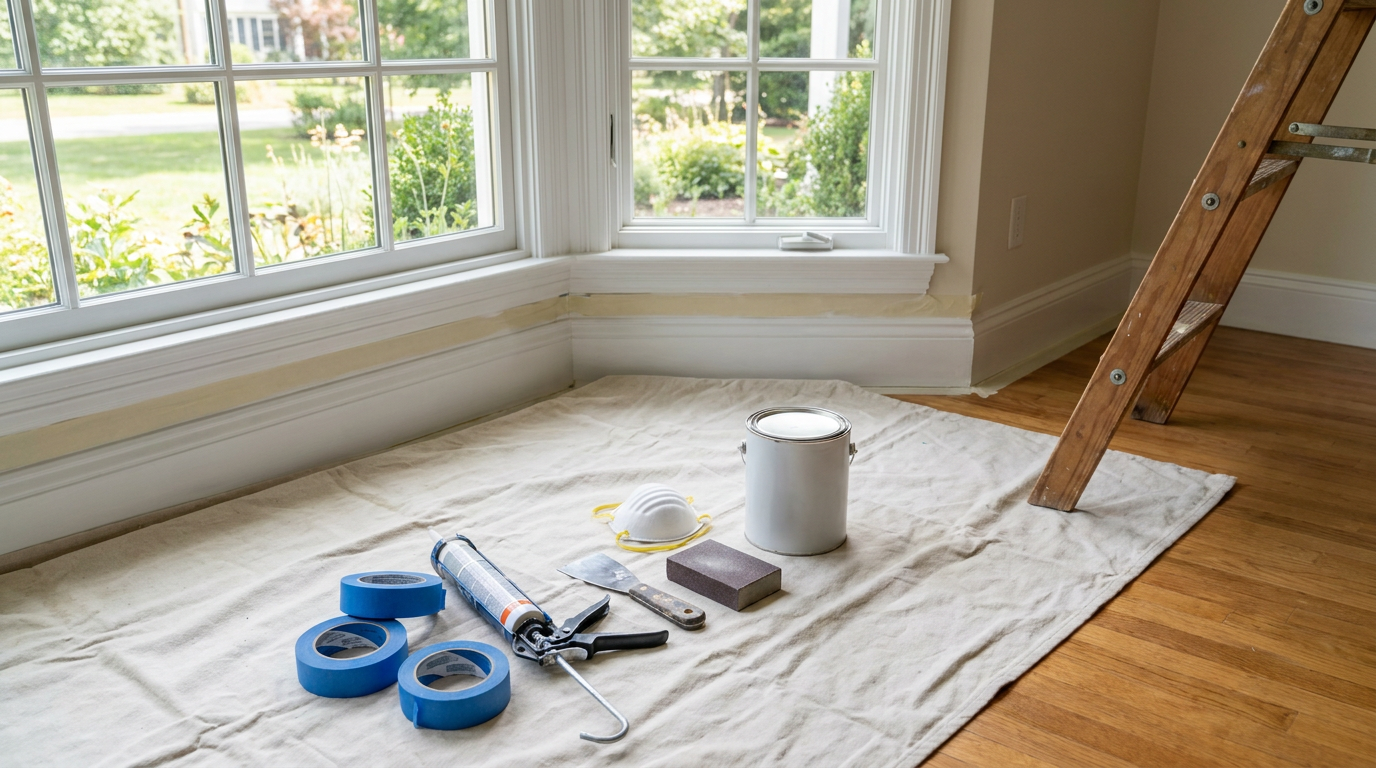
That may include:
- washing or cleaning
- sanding or scraping
- patching and correction
- caulk repair
- furniture, floor, or landscape protection
- stabilizing weak areas before finish coats begin
A homeowner does not need to define every prep detail alone, but the planning should account for the fact that prep often shapes both cost and durability.
The planning stage should lead into a clear process that covers walkthrough, surface review, protection, prep, application, cleanup, final walkthrough, and warranty expectations.
Step 5: Compare Estimates Based on Clarity, Not Just Price
Once the scope and surface condition are better understood, estimate review becomes much more useful.
A stronger comparison looks at:
- what is included
- what is excluded
- how prep is being described
- whether the finish expectations are clear
- whether the quote reflects the actual condition of the home
- what kind of result the estimate appears to support
Planning gets much easier when the estimate is being used as a decision tool, not just a price tag.
Budget planning becomes easier when homeowners understand what actually affects the price. Reviewing painting prices in CT can help connect scope, prep, surface condition, access, materials, and service type before the project is scheduled.
A good plan should also set realistic timing expectations. Homeowners can review how long a house painting project takes in New Haven County to understand how scope, prep, drying time, weather, access, and project type affect scheduling.
Step 6: Prepare for the Project Experience, Not Just the Final Result
Homeowners also benefit from planning for how the work will actually feel while it is happening.
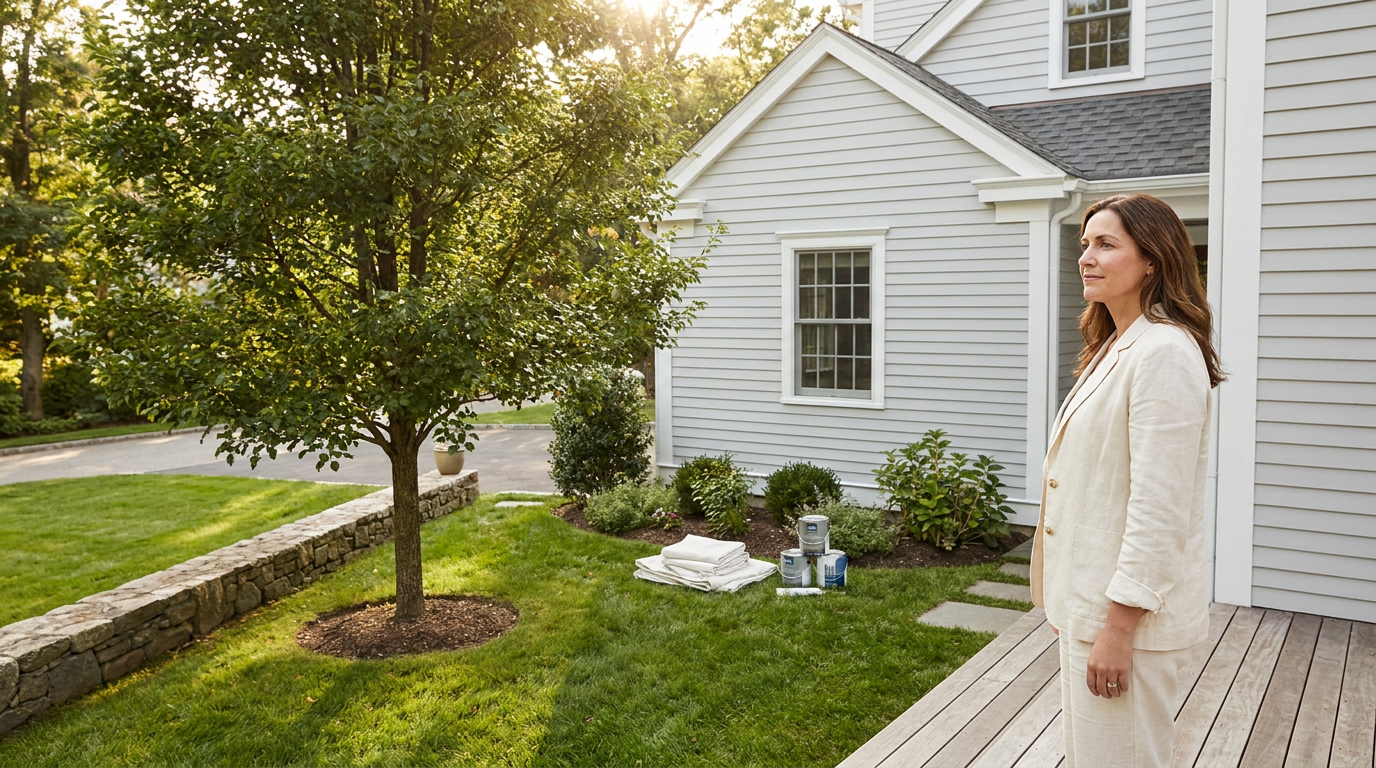
That may include understanding:
- how the project will likely be sequenced
- what kind of access is needed
- how active living spaces or exterior areas will be managed
- what kind of protection should be expected
- how communication is handled during the work
- what the next step looks like if conditions change during prep
This helps the project feel more manageable from start to finish.
Planning also includes knowing what the project should feel like once work begins. It helps to understand what to expect during a professional house painting project, from walkthrough and prep to communication, cleanup, touch-ups, and final review.
House Painting Planning FAQ
What is the first step in planning a house painting project?
The first step is defining the real scope, including what surfaces need attention, what areas are the priority, and whether the work is interior, exterior, or both.
Should I think about prep before asking for an estimate?
Yes. You do not need to map every prep detail yourself, but surface condition and prep needs strongly affect pricing and project planning.
Do I need to paint the whole house at once?
Not always. Some homeowners benefit from phasing the work based on condition, priority, timing, or budget.
Why is estimate clarity part of planning?
Because a clear estimate helps confirm the scope, prep path, and finish expectations before the project begins.
Should I plan for the work process too?
Yes. Understanding protection, sequencing, and communication helps make the project feel more predictable and less disruptive.
Start With a Clearer Plan Before the Work Begins
A house painting project becomes easier to manage when the planning is based on real scope, real surface condition, and a more realistic idea of what the home needs first.
That helps homeowners move forward with better priorities, better estimate comparisons, and a clearer path from first review to finished result.
Alves Pro House Painters helps New Haven County homeowners with clearer scope, organized prep expectations, and a more structured planning process built around real project conditions instead of assumptions alone.
If you are ready to plan your project, the next step is to review the surfaces, confirm the scope, understand the timeline, and decide what should happen first. You can request a painting estimate based on the real priorities and conditions of your home.
What Happens Next
- We confirm your location and project type
- We review the surfaces and likely priorities
- We define the practical scope and prep path
- We prepare a written estimate based on real conditions
Clear planning reduces friction • Scope shapes the project • Prep affects the result